Build specification · 911 (993)
The ideal 993 engine
A specification for the strongest air-cooled flat six the 993 can carry, assembled from parts that exist — and honest about the ones that do not.

The 993 is the last air-cooled 911, and its M64 is the most developed version of a design that started in 1963. An ideal engine for it is not a clean-sheet exercise. It is a question of which factory decisions were constraints of 1995 and which were sound engineering, then replacing only the first kind.
This page specifies one build: a 4.0-litre, four-valve, twin-turbocharged M64. Every line names a real part where the catalog holds one, says so plainly where it does not, and never fills a gap with a number nobody published.
- Specified positions
- 30
- Filled from the catalog
- 26
- Nothing catalogued
- 1
- Positions to buy
- 26
What this build costs — as far as anyone can say
Adding up the first-named part in every position, where a dated price exists:
- £68,220 across GBP sellers
- US$22,752 across USD sellers
That is not the price of the engine. 10 of the 26 positions carry no published price — valves, springs and retainers, turbochargers, fuel delivery, charging, manifolds and 5 more — and none of it counts labour, machining or time on a dyno, which on an engine like this is not a rounding error. Where more than one currency appears they are printed apart, because converting prices read on different dates from different sellers would manufacture a precision the data does not have.
No estimate is offered for the missing figures. An engine budget assembled from guesses reads exactly like one assembled from quotes, which is the problem.
Where the catalog runs out
- Engine carrier — Structural carrier, Turbo pattern
These are not oversights in the specification. They are positions where the part has to be made, or where the factory part is still the only one that fits.
Foundation
Three parts decide whether the engine is possible at all. None of them is glamorous and only one can be bought new.
Crankcase
Stays factoryM64 crankcase, sound bearing bores and case halves
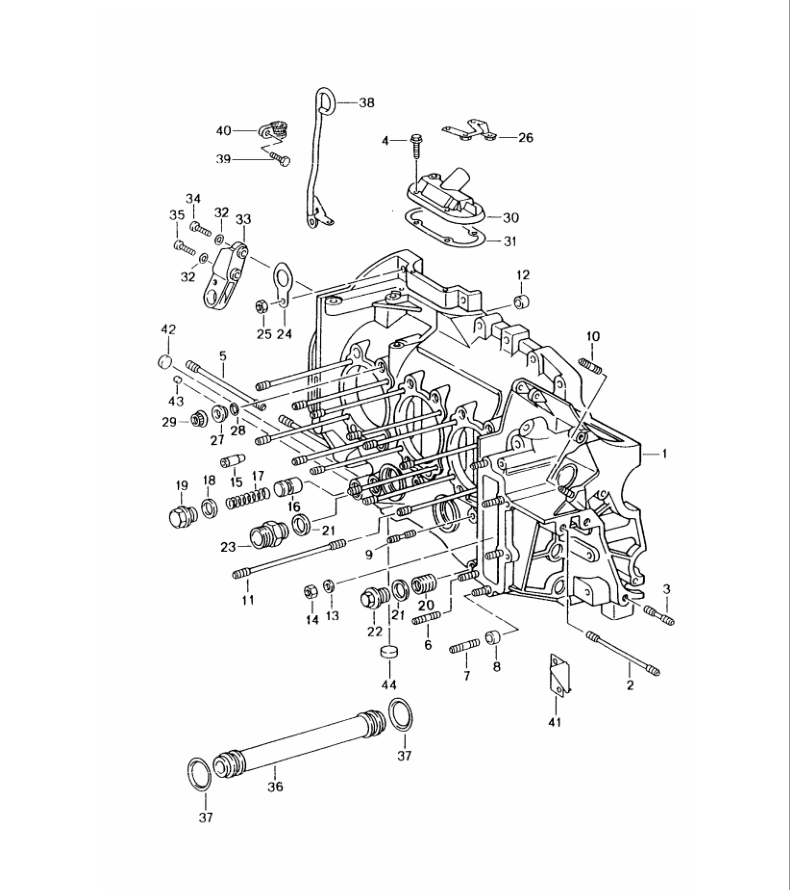
There is no aftermarket crankcase for this engine and there is unlikely ever to be one. That inverts the usual logic of a build: the donor engine is worth buying for its case, and a seized or holed engine with intact main bearing bores is a better starting point than a running one, because everything else here gets replaced anyway. For a Turbo the case is the M64/60. Albert Motorsport and Freisinger both trade in M64 cases and cores. Note that the 102.7 mm bore this build uses may require the case to be machined, so a sound case is the starting point of a machining job rather than the end of the search.
Known sources: Albert Motorsport / 911race, Freisinger Motorsport
Crankshaft
In the catalogBillet steel, 80.4 mm stroke
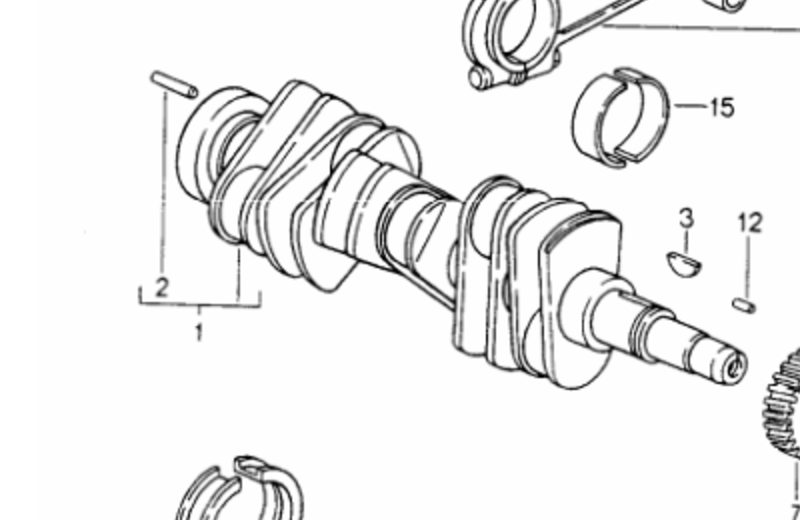

The 993 3.6 runs 100 mm × 76.4 mm. Swindon’s GT3+ crank takes the stroke to 80.4 mm, which with the matching 102.7 mm bore gives 3,996 cc — the arithmetic behind the 4.0 figure. It is billet machined in EN40B, a nitriding steel, and described as an evolution of the OEM GT3 4.0 crankshaft with more rigidity for higher rpm. Steel is the right answer here and this one is steel; a light-alloy crankshaft solves a problem nobody has. Swindon ask to be consulted on rod requirements if their own rods are not used, which is a fair warning: crank, rods and pistons are one dimensional set, not three shopping decisions.
GT3+ 4.0 Crankshaft, 80.4 mm Stroke · Swindon Powertrain£6,000 as of 2026-08-18
Connecting rods
In the catalogTitanium, steel bolts
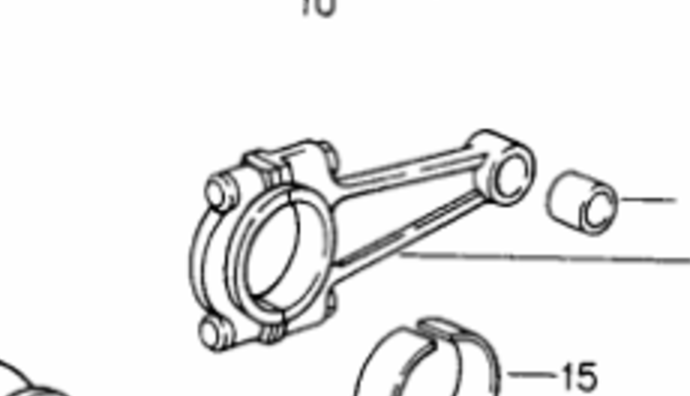

Rods are where titanium genuinely earns its place: the mass is reciprocating, so every gram removed reduces the load the crank and bearings see at every revolution, and the benefit compounds with rpm. Swindon’s set is dimensioned for the GT3+ crank and the 102.7 mm pistons, which is the reason to prefer it over a generic titanium rod here. Grade, mass and bolt specification are not published; the bolts stay steel in any case. A titanium rod with titanium bolts is a rod that comes apart.
Titanium Connecting Rod Set, 24V 4.0 · Swindon Powertrain£10,000 as of 2026-08-18
1 alternative
- Titanium Connecting Rods · Pankl Racing Systems
Pistons and cylinders
In the catalog102.7 mm bore, pistons with matched liners
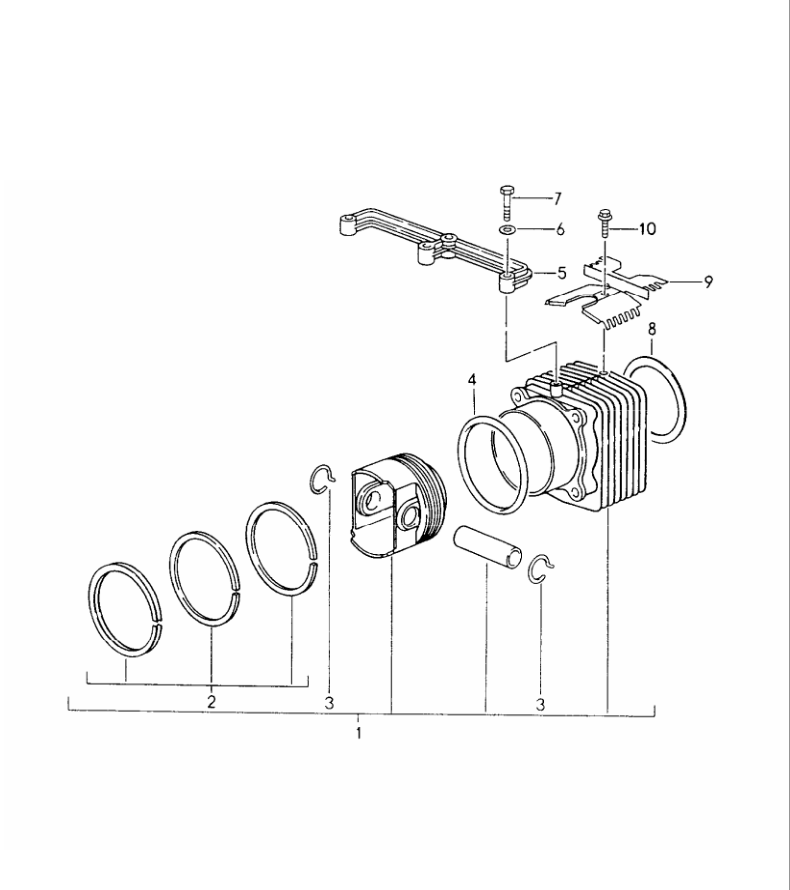

Swindon supply the pistons with Capricorn 102.7 mm barrels, matched to their crank and heads. LN’s Nickies are the alternative worth knowing about: billet aluminium cylinders with a nickel-silicon-carbide bore, which conducts heat out of the cylinder far better than the original — the constraint that matters most on an air-cooled engine under boost. The catalogued Nickies set is a 3.6 naturally aspirated package, so it belongs to the other version of this build.
24V Piston and Liner Set, 102.7 mm Bore · Swindon Powertrain£6,000 as of 2026-08-18
4 alternatives
- 24V Piston Set, 102.7 mm Bore · Swindon Powertrain · £3,600
- Nickies Billet Aluminium Cylinders, air-cooled 911 · LN Engineering
- Nickies Cylinders 105.029 mm with 12.5:1 JE Piston Set, 911 3.6 · LN Engineering
- Mahle Motorsports Piston and Cylinder Sets, Porsche · MAHLE GmbH
Original crankcases may need machining to take the 102.7 mm bore. Piston alloy and compression ratio are not published and are not guessed at here.
Heads and valvetrain
This is the part of the engine where the 993 was most obviously limited by its era, and the only place where a catalogue part changes the engine's character outright.
Cylinder heads
In the catalogFour valves per cylinder, retrofit to standard M64
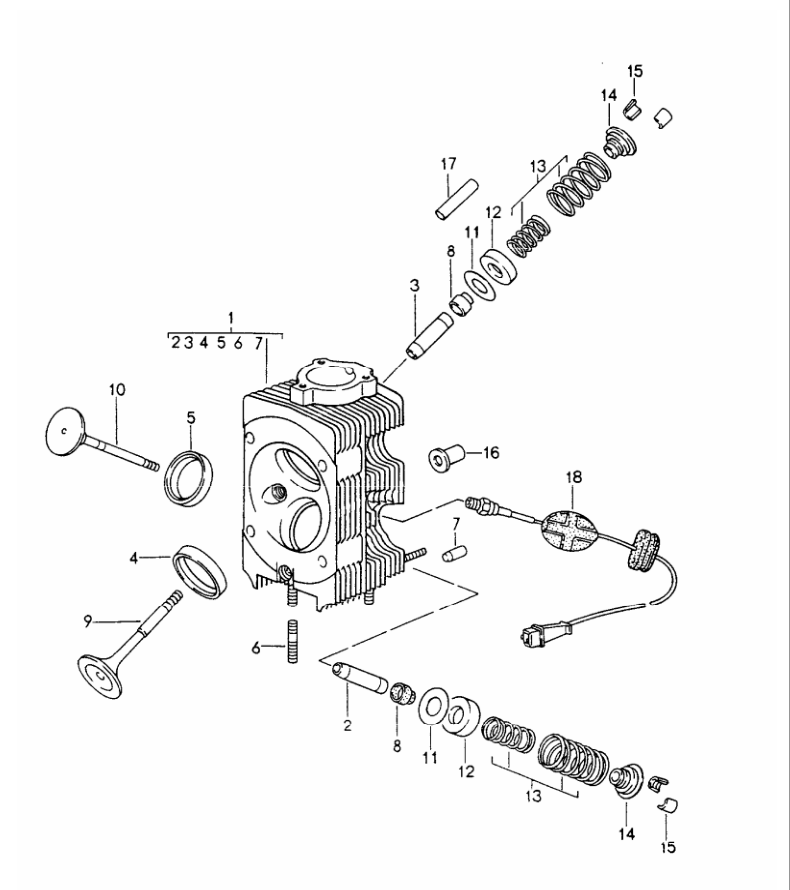

The M64's two-valve head is the ceiling on the whole engine. Swindon's 24-valve kit lifts it without moving anything else: the standard crankcase, cam drive, lubrication system and exhaust all carry over, and it accepts 95 to 102.7 mm bores. Flow is 40% better on the inlet and 66% better on the exhaust than a standard 993, the valvetrain is engineered to 12,000 rpm, and the whole set is 3.5 kg lighter than the heads it replaces. Better exhaust flow matters twice over on a turbo engine, because it buys the same power at less boost and less backpressure. Past 100 sold, so this is a production part, not a promise.
24-Valve Cylinder Head Kit, M64 (964 / 993) · Swindon Powertrain£31,448 as of 2026-08-18
Camshafts
Stays factorySteel, profile to suit boost
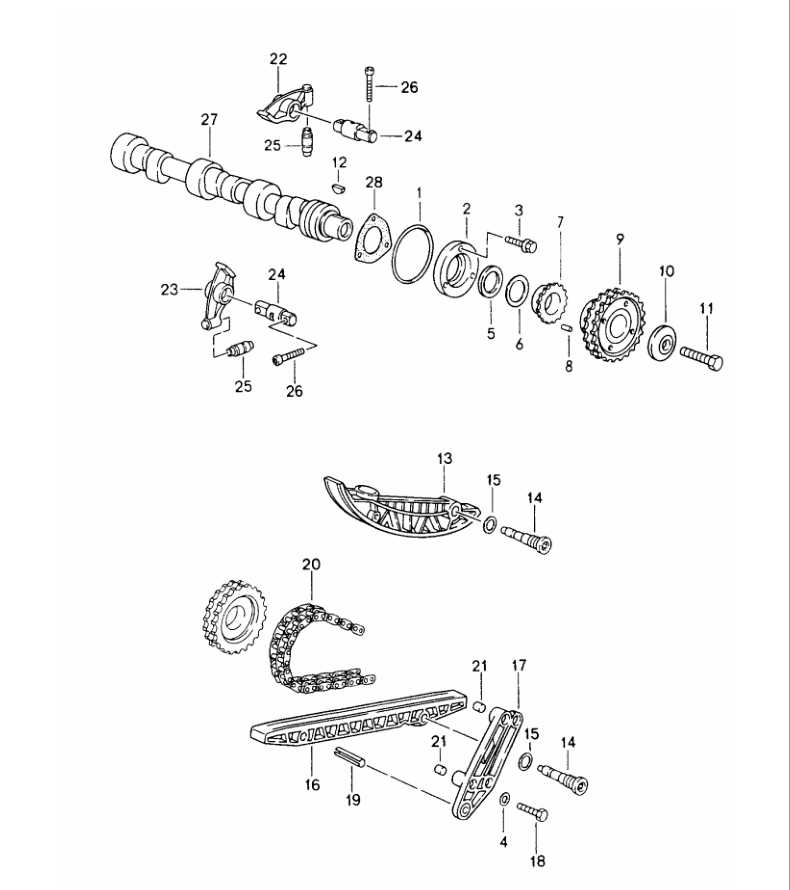

The Swindon kit includes its own camshafts, shafts and finger followers. The catalogued alternatives are two-valve profiles and are listed here for the naturally aspirated version of this build, not the 24-valve one. Camshafts stay steel in every case.
Porsche 993 Euro RS Profile New Billet Camshaft Set For Hydraulic Rockers (ENG 05 562) · Web CamshaftsUS$1,305 as of 2026-08-17
1 alternative
- Camshaft Set, 911 3.2 / 964 · Schrick
Valves, springs and retainers
In the catalogTitanium valves, steel springs
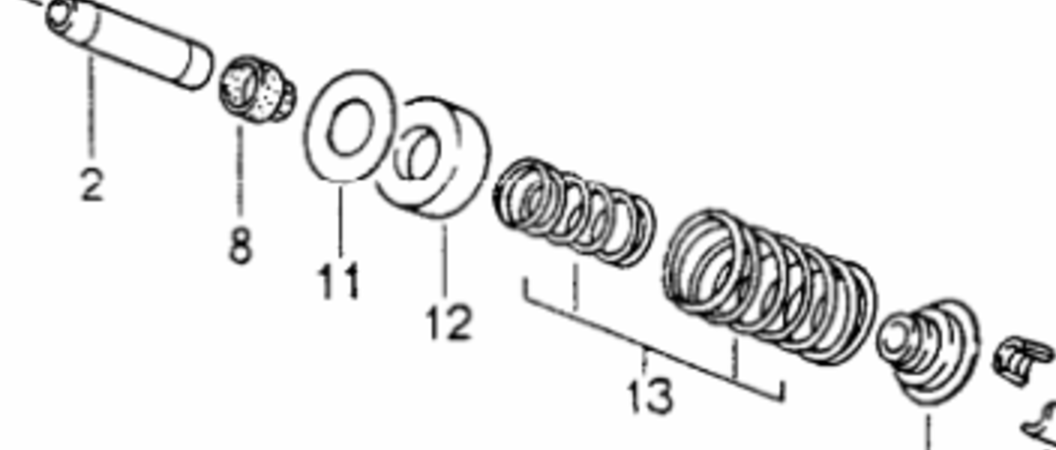
Titanium inlet and exhaust valves, springs, caps, collets and shims come with the Swindon kit. For a two-valve engine the catalogued spring and titanium retainer set does the same job in miniature. Springs themselves stay steel — titanium has no useful fatigue limit for a part cycling tens of millions of times.
High Performance Valve Spring and Titanium Retainer Set, 911 (993) · Patrick Motorsports
Valve covers
In the catalogBillet aluminium, coil-on-plug provision
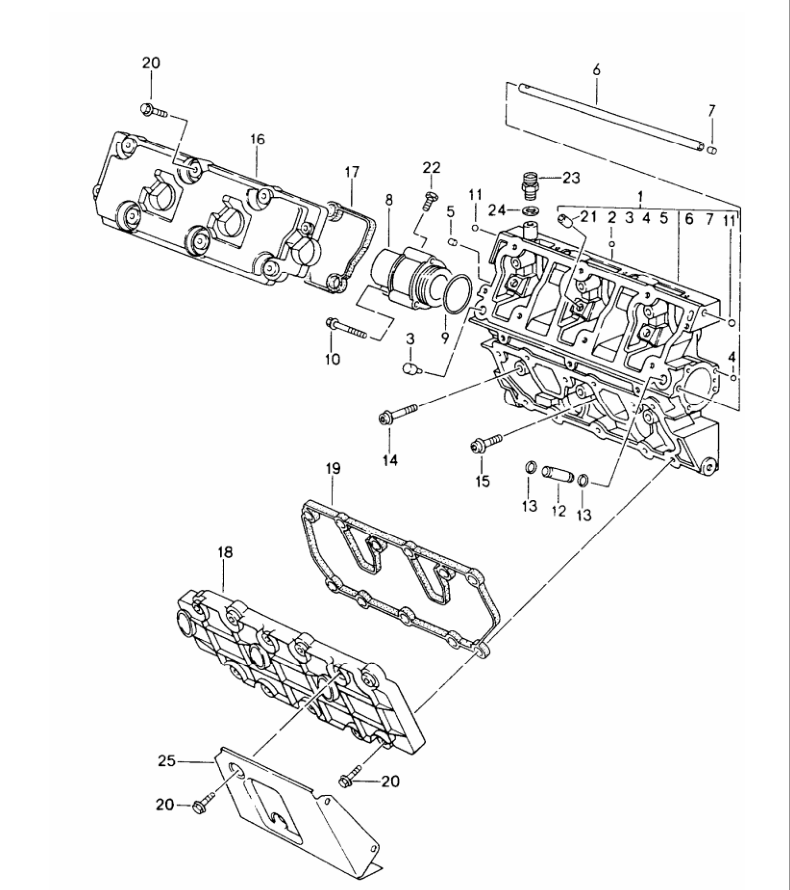

The BBi kit is the one that matters for this build because it carries the ignition: coil-on-plug in place of the twin distributors, which is the change that lets the engine run modern management at all. The billet sets from Patrick and Tarett are the answer if the distributors stay.
Air-Cooled EFI Valve Cover and Ignition Kit · BBi AutosportUS$1,450 as of 2026-08-17
2 alternatives
- Billet Aluminium Valve Covers, 911 (993) · Patrick Motorsports
- Billet Aluminum Valve Cover Set, 911/964/993 · Tarett Engineering · US$431
Sealing and studs
In the catalogHead stud kit and gasket sets

Air-cooled heads seal against the barrel without a conventional head gasket, so this position is studs and the rest of the top end. Swindon supply a stud kit for the 24-valve conversion; its material is not published, and this catalog will not assume titanium for the one fastener group carrying the head clamping load.
24V Cylinder Head Stud Kit · Swindon Powertrain£972 as of 2026-08-18
1 alternative
- 993 Engine Gasket Set - Cylinder Heads (GAS 993 100 902 00) · Victor Reinz · US$518
Power steering
In the catalogAdaptor to retain the factory pump

A dull part that says a lot. The 24-valve heads move things the factory pump mounting relied on, and somebody engineered an adaptor so the car keeps its power steering. The existence of this part is a better measure of how finished the conversion is than any power figure attached to it.
24V OEM Power Steering Adaptor · Swindon Powertrain£2,266 as of 2026-08-18
Induction and boost
The 993 Turbo was the first production 911 with two turbochargers. The equipment to better it is catalogued; the packaging is the hard part.
Turbochargers
In the catalogTwo compact units, matched to displacement
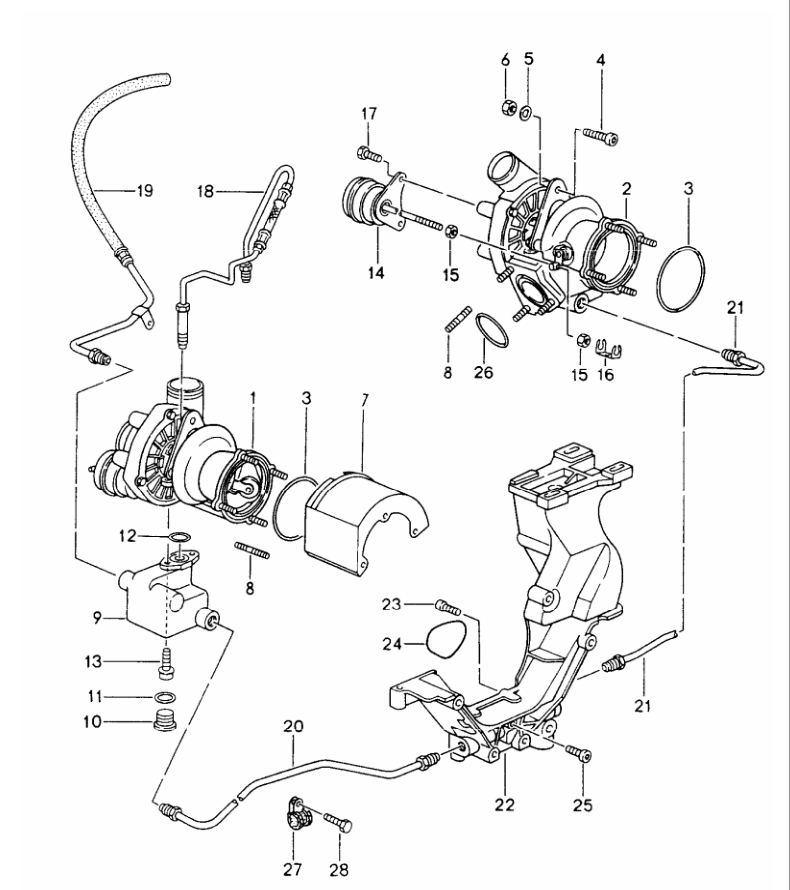
Two small turbochargers on a 4.0 with four-valve heads is a different proposition from two small turbochargers on a two-valve 3.6 — the engine swallows far more air for the same boost. The catalogued upgrades all target the original 993 Turbo installation, which is the sensible starting point. Note that the GT2 K24 units are handed: left and right are different part numbers.
TTE800 Upgrade Turbochargers, 911 Turbo (993) · TTE Global (The Turbo Engineers)
6 alternatives
- TTE750 Upgrade Turbochargers, 911 Turbo (993) · TTE Global (The Turbo Engineers)
- BACK-ORDER BorgWarner K24 Turbo For Porsche 993 GT2 - LEFT (TUR 993 123 013 82 / 53249887003 / 993123113HP) · BorgWarner · US$3,548
- BACK-ORDER Borgwarner K24 Turbo For Porsche 993 GT2 - Right Side (TUR 993 123 014 82 / 53249887004 / 993123114HP) · BorgWarner · US$4,246
- Race Turbocharger K24/K26, Left, 911 Turbo / GT2 (993) · FVD Brombacher
- Race Turbocharger K24/K26, Right, 911 Turbo / GT2 (993) · FVD Brombacher
- K24 18GXT Compressor Wheel Upgrade, 911 Turbo (993 / 996) · Protomotive
Printed compressor or turbine housings are custom work. Nothing additively manufactured is catalogued for this application.
Intake
In the catalogSix throttles under a plenum, drive-by-wire
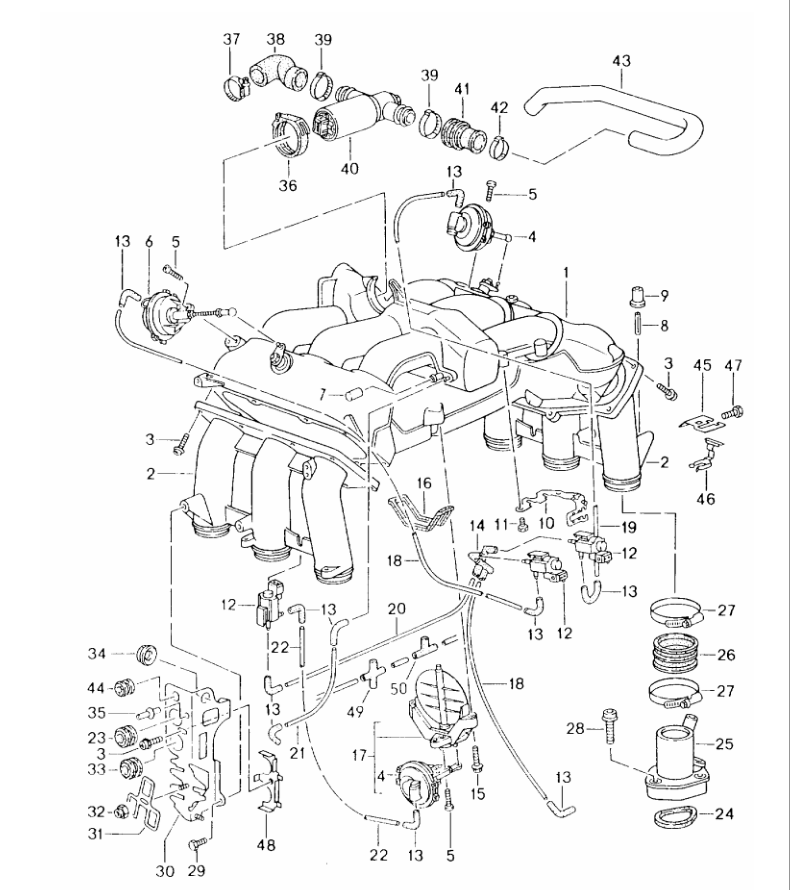

There is normally a fork here, because individual throttle bodies and turbocharging pull in opposite directions: ITBs earn their keep on throttle response in a naturally aspirated engine, and a boosted engine wants a plenum it can pressurise. Swindon’s kit sidesteps it — six throttles built with Jenvey, bolting straight to the 24V heads, with a GT3-type plenum mounted on top and one electric motor per bank. Throttles under a plenum work boosted; bare trumpets do not. The remaining entries are the naturally aspirated answers.
24V Six Throttle Body Kit with Fly-by-Wire · Swindon Powertrain£6,120 as of 2026-08-18
4 alternatives
- Carbon GT3 Plenum and Filter Kit · Stuttgart Classica · £3,995
- EFI Throttle Bodies, 45–48 mm, 911 (964 / 993) · AT Power
- Air-Cooled EFI Individual Throttle Body System · BBi Autosport · US$13,500
- GT3 Intake Plenum Conversion Package With Motec M130 Drive-By-Wire Coil-On-Plug Ignition For 3 Bolt Heads 964 993 Engines · Patrick Motorsports · US$25,929
Charge cooling
In the catalogAir-to-air, full width
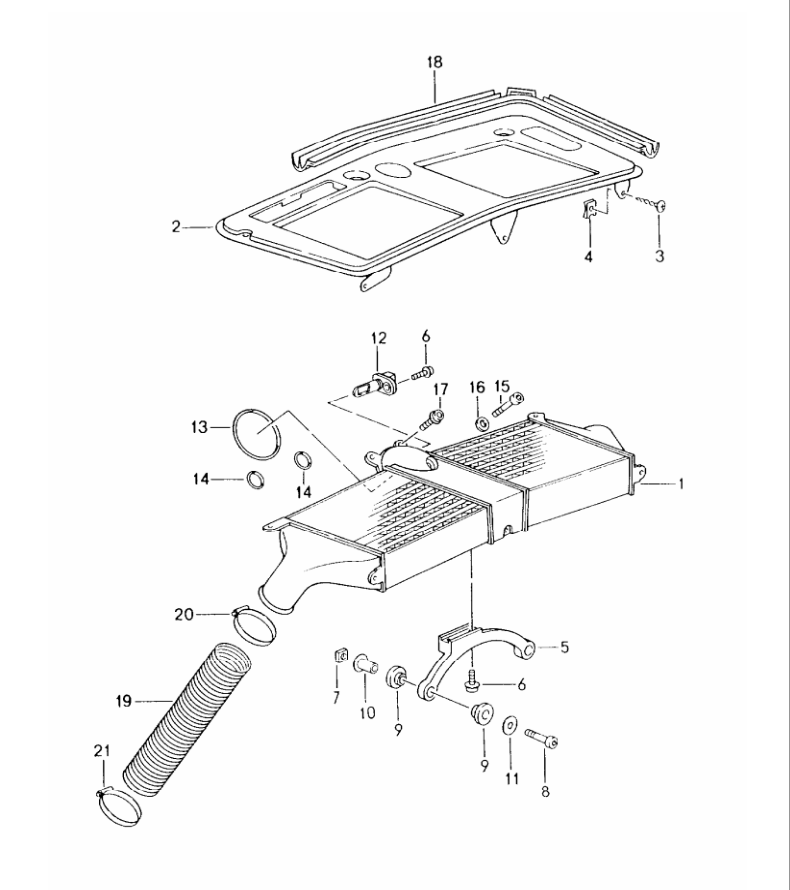

The 993 Turbo's charge coolers sit in the rear wings and are the quietest limit on the standard car. A full-width core is the catalogued upgrade.
Turbo Intercooler / Charge Air Cooler - 630 Ci Full Width Type (1978 - 1994) Porsche 911 Turbo / 930 / 965 (TUR FPOR 0315) · Patrick MotorsportsUS$4,459 as of 2026-08-17
Fuel delivery
In the catalogFlow-matched injectors sized to target
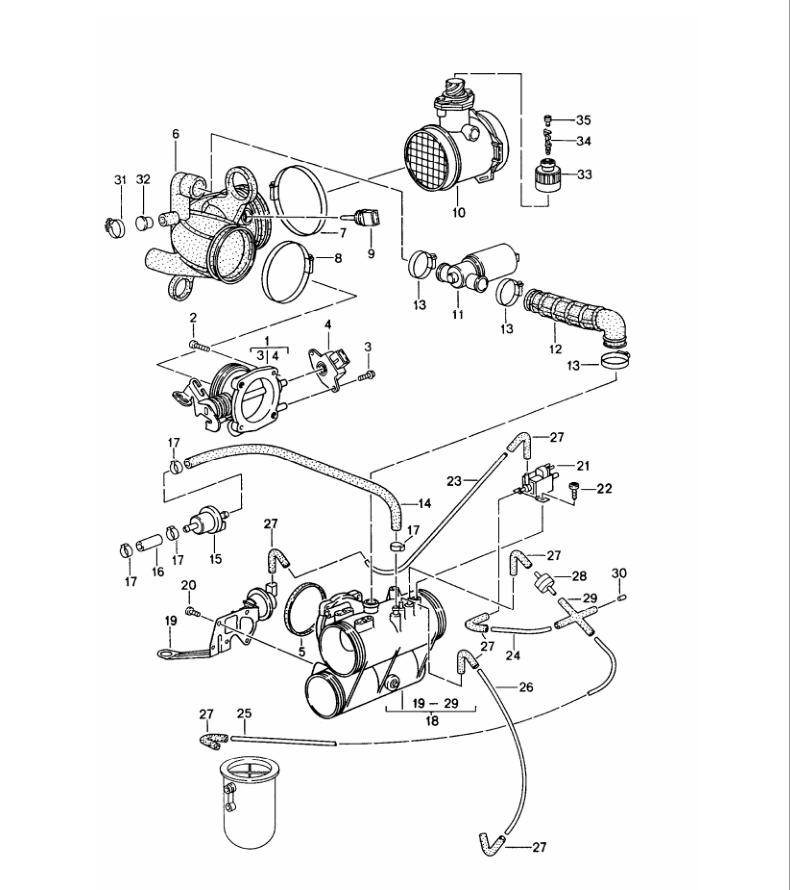
The catalogued 42 lb set suits an uprated standard Turbo. A 4.0 at serious boost needs more, and the size is a function of a power target nobody here has measured, so no figure is given.
42 lb Flow-Matched Fuel Injectors, 911 Turbo (993) · Five O Motorsport
Ignition and management
Standalone management is what makes everything above controllable. It is also, price for price, the least visible money in the build.
ECU and wiring
In the catalogStandalone, drive-by-wire, CAN
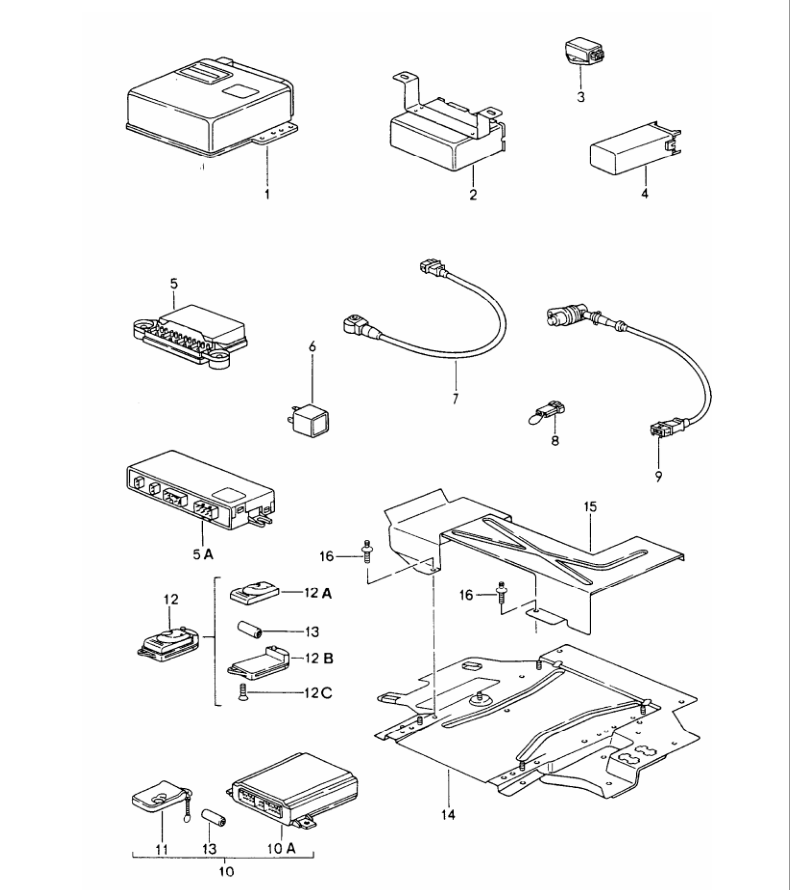

One thing worth knowing before choosing: BBi's system and Rywire's harness are the same electrical architecture bought two ways. Rywire is BBi's technical partner and builds the harness inside the BBi package. Buying both is buying one thing twice.
Air-Cooled EFI Electronics and Wiring · BBi AutosportUS$10,750 as of 2026-08-17
4 alternatives
- Mil-Spec EFI Engine Harness, 911 / 964 / 993 Twin Plug · Rywire Motorsport Electronics
- Patrick Motorsports EFI Chassis To ECU Wire Harness By MoTec (ELE M 6598 M130 C PMS) · Patrick Motorsports · US$4,196
- Engine Management and EFI, Dual Plug, 911 (964 / 993) · Clewett Engineering
- Mil-Spec Motorsport EFI Engine Harness, air-cooled 911 · Technica RaceWire
Sensors and delete plates
In the catalogCam and crank position, distributor removal
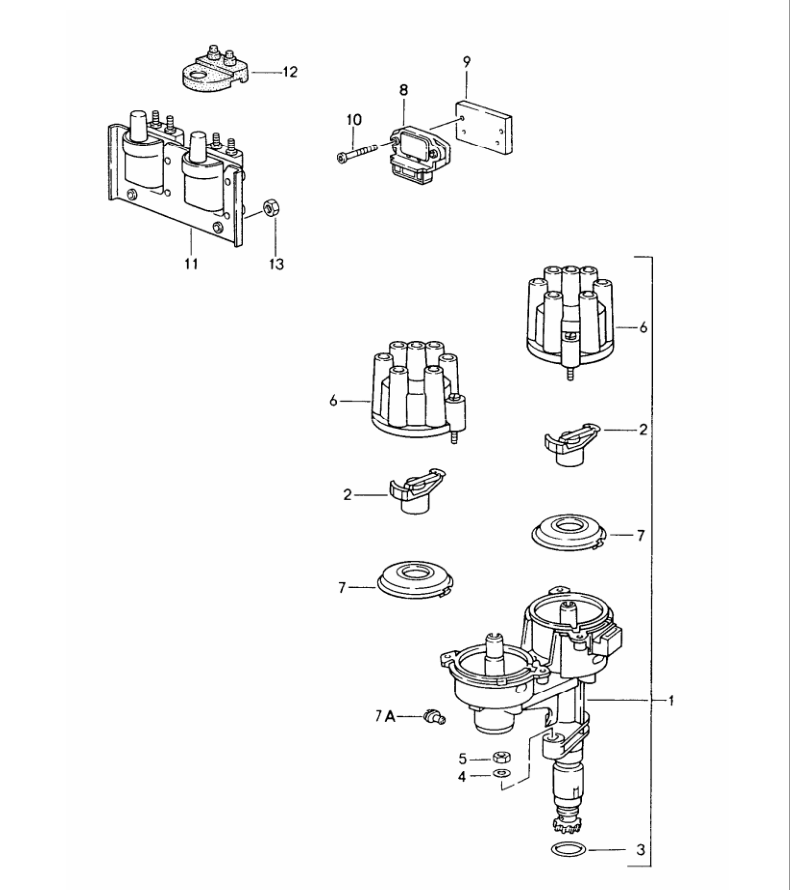

Small parts, but they are what physically ends the distributor era on this engine.
Air-Cooled EFI Cam Sensor Kit · BBi AutosportUS$235 as of 2026-08-17
1 alternative
- Air-Cooled EFI Distributor Block-Off · BBi Autosport · US$85
Charging
In the catalogHigh output alternator
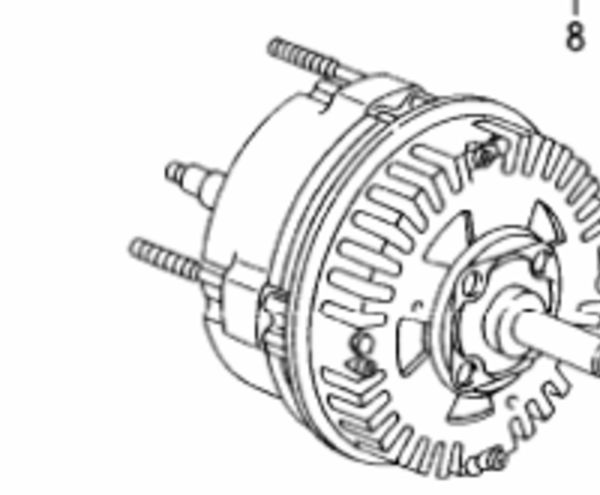
Coil-on-plug ignition, electric fuel pumping and a full sensor set draw far more than the 1995 harness expected. The 240 A units exist because of exactly this.
High Output 240 A Alternator, 911 (964 / 993) · PMB Performance
1 alternative
- High Output 240 A Alternator, 911 (964 / 993) · Classic Retrofit
Exhaust and hot side
The one area where the exotic material is not a luxury.
Manifolds
In the catalogInconel 625
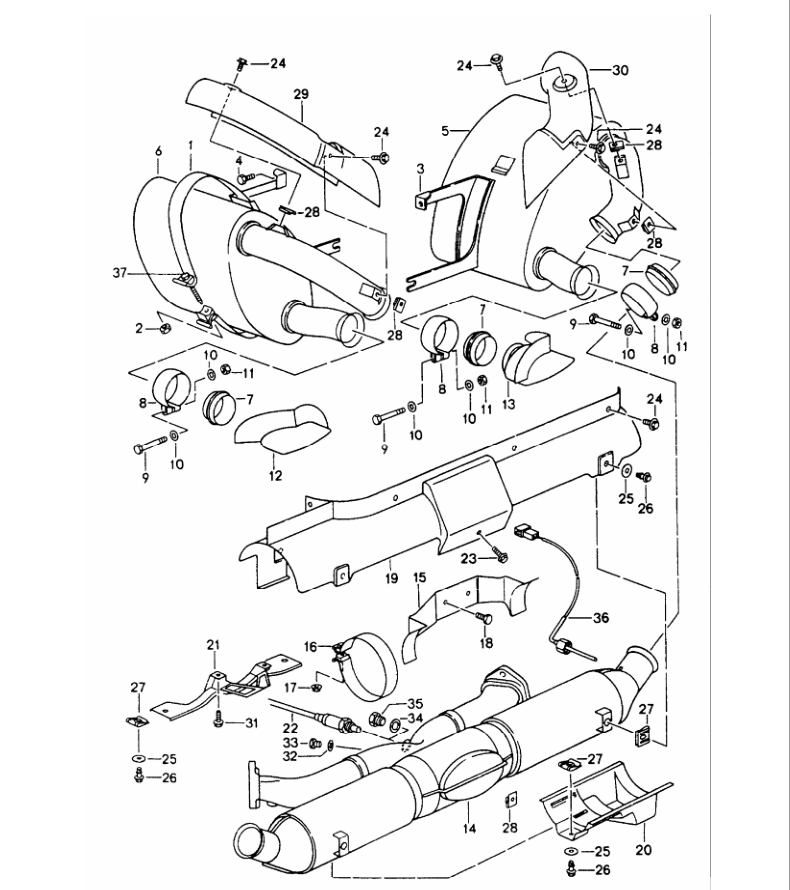
Turbine inlet temperature is where titanium stops being the answer. Ti-6Al-4V loses strength well below the temperatures a boosted exhaust manifold sees continuously; a nickel superalloy does not. Inconel 625 is heavier than titanium and lighter than the steel it replaces, and it survives. K-Line's 993 Turbo manifolds carry the heat exchanger, which keeps cabin heat — the thing most race exhausts quietly delete.
Inconel 625 Manifolds with Heat Exchanger, 911 Turbo (993) · Kline Innovation
3 alternatives
- Inconel 625 Exhaust System, 911 Turbo (993) · Kline Innovation
- Inconel 625 100-Cell X-Pipe, 911 Turbo (993) · Kline Innovation
- Inconel 625 Silencer Section, 911 Turbo (993) · Kline Innovation
Exhaust fasteners
In the catalogTitanium or ARP studs and nuts
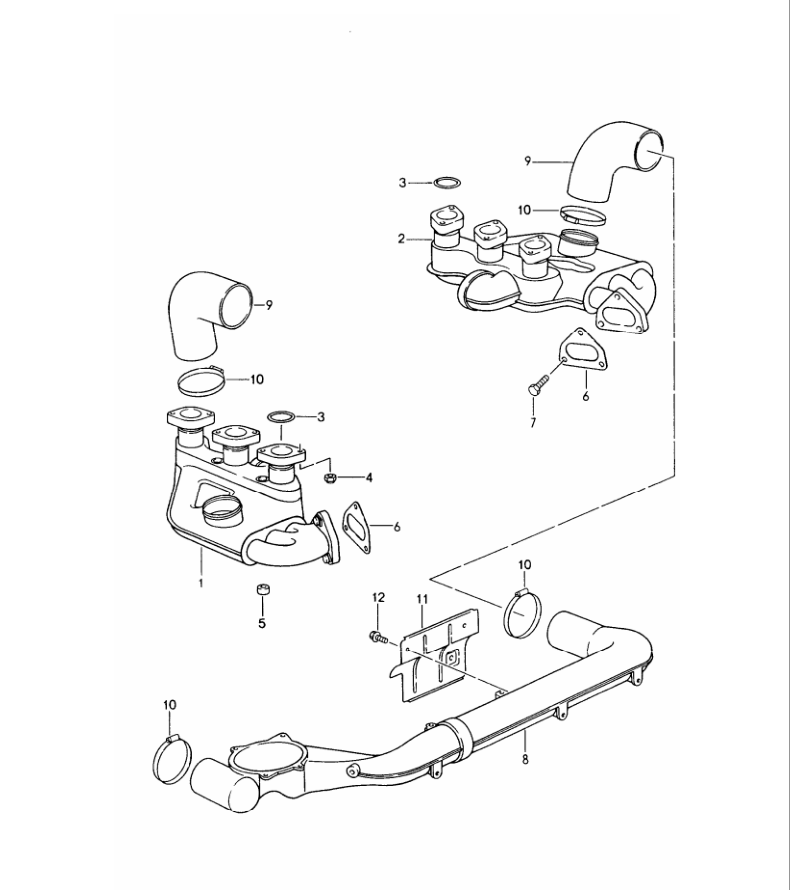
Exhaust studs are consumables on an air-cooled 911 — they seize, then they snap in the head. This is a small amount of money against a large amount of grief.
Titanium Exhaust Manifold Studs and Nuts, Porsche · Silverlake Projects
1 alternative
- Exhaust Manifold Studs and Bolts, Porsche · ARP (Automotive Racing Products)
Cooling
The defining constraint. On a water-cooled engine this section is plumbing; here it decides whether the engine survives.
Fan shroud
In the catalogComposite, sealing to the tinware
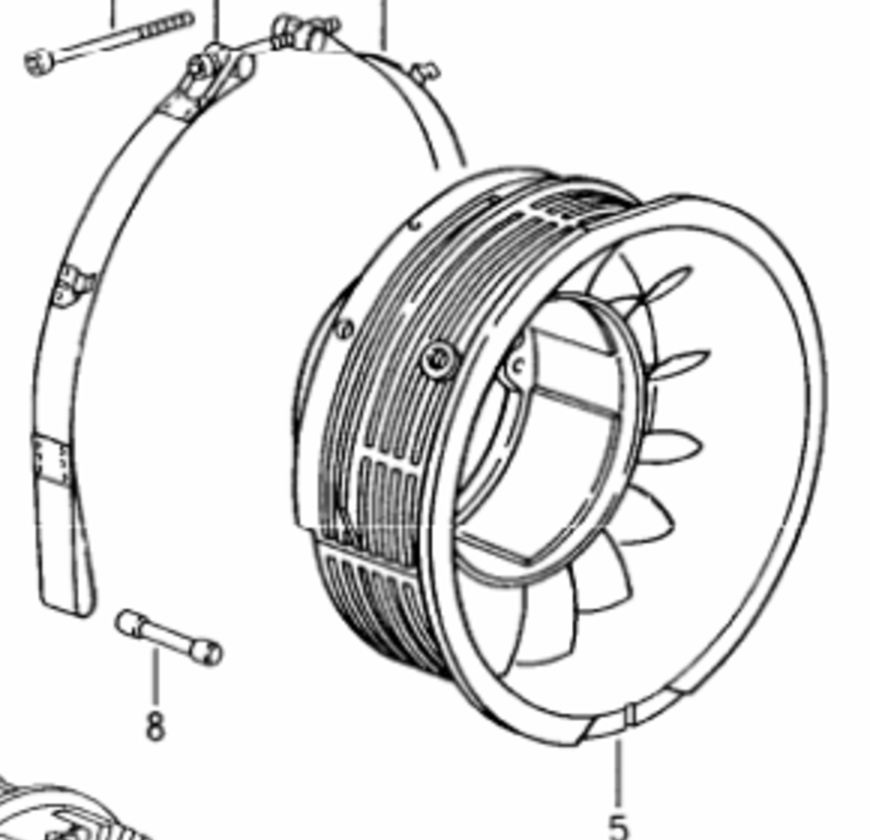

The shroud is the largest single piece of engine tinware and it is not decoration: it directs every bit of cooling air the engine gets. It is also not interchangeable here — four-valve heads change the shape the shroud has to seal against, so the 24V build needs the shroud made for it and the generic composite shrouds below belong to a two-valve engine. Whichever is fitted has to seal as well as the steel did; fit matters more here than on any body panel.
24V Carbon Fan Shroud · Swindon Powertrain£2,119 as of 2026-08-18
3 alternatives
- Carbon Fan Shroud, air-cooled 911 · Stuttgart Classica · £995
- Fan Shroud with Integrated Heater Block-Off, 911 (964 / 993) · Stuttgart Classica
- NEW STOCK! Composite Engine Tin Surround For Porsche 911 with 964 / 993 Engine Conversions - Without Air Shroud (ENG 911 36 COMP ETS PMS) · Patrick Motorsports · US$1,395
Engine tinware
In the catalogCarbon or carbon/Kevlar
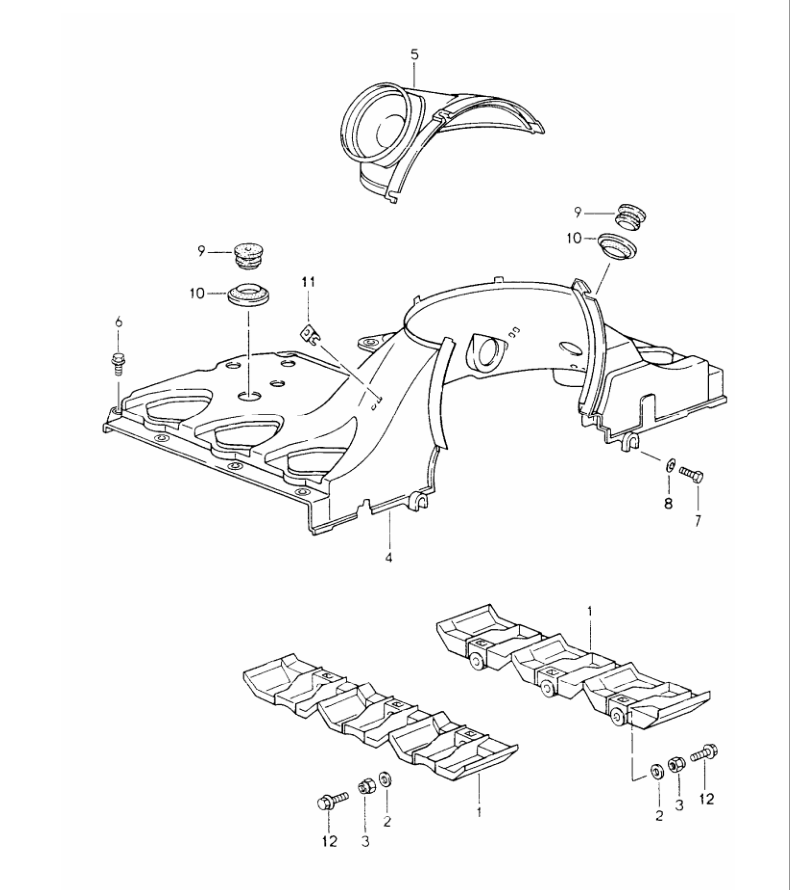

Same argument as the shroud, in more pieces. Carbon/Kevlar rather than plain carbon is the sensible choice for anything below the engine, where impact and abrasion resistance is worth more than the last few grams.
Composite Engine Tinware, 911 (964 / 993) · Stuttgart Classica£3,295 as of 2026-08-18
Fan drive
In the catalogSingle-belt RS conversion or serpentine
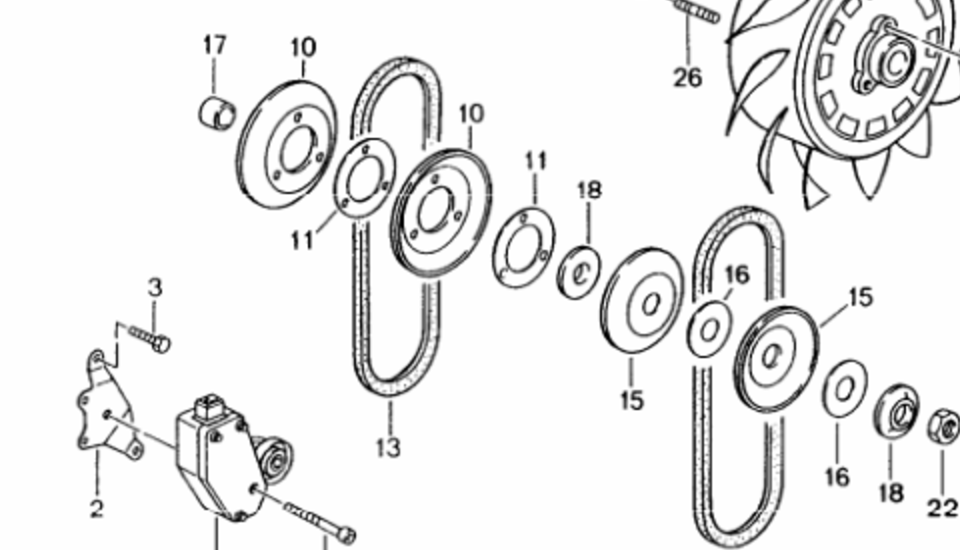
The factory RS ran a single belt where the standard car ran two. Two independent makers offer the conversion, which says something about how well it works. The RSR serpentine kit is the more thorough version of the same idea.
Billet Aluminium Fan Hub, 911 (964 / 993) · Rothsport Racing
3 alternatives
- RS Fan Hub Conversion, 911 (964 / 993) · Stuttgart Classica · £149
- 993 GT3 RSR Serpentine Pulley Conversion Kit (ENG 993 106 151 80 RSR PMS) · Patrick Motorsports · US$1,680
- Engine Cooling Fan Impeller - Porsche 964 / 993 (ENG 964 106 015 31) · Porsche AG · US$802
Oil cooling
In the catalogAuxiliary coolers with thermostat
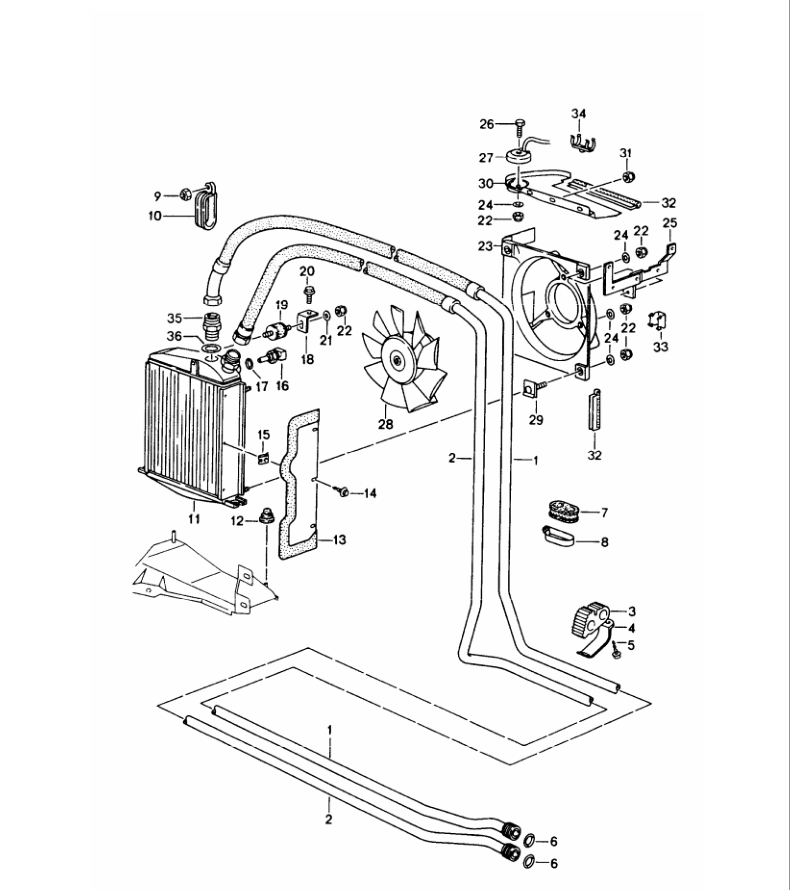

The 911's oil is half its cooling system, and a boosted 4.0 asks a great deal more of it than a 3.6 did. The thermostat matters as much as the cooler: over-cooled oil on a cold morning is its own kind of damage.
Porsche 964 993 RSR Auxiliary Engine Oil Cooler System - No AC (OIL 964 207 RSR PMS) · Patrick MotorsportsUS$1,330 as of 2026-08-17
3 alternatives
- 1989 - 1998 Porsche 964 / 993 - Dual Front Engine Oil Cooler System (OIL 964 207 DFOC PMS) · Patrick Motorsports · US$670
- Heat Exchanger / Oil Cooler - 25 Row Proline STD 9 Series - SETRAB (OIL SET 50 925 7612) · Setrab · US$410
- Setrab 180F Engine Oil Thermostat Set AN-12 Universal (OIL 901 107 T180 AN12 PMS) · Setrab · US$231
Turbo oil feed and drain
In the catalogUpdated scavenge and return
A known weak point on the 993 Turbo, and the updated scavenge line exists because of it.
Turbocharger Oil Scavenge Line Update, 911 Turbo (993) · Turbo Kraft
1 alternative
- NEW STOCK! 993 Turbo Oil Return Pipe Set - Left & Right Sides (TUR 993 107 338 53 PMS) · Patrick Motorsports · US$300
Mounting and driveline
The engine has to be held in the car, and this is where the catalog runs out.
Engine carrier
Nothing cataloguedStructural carrier, Turbo pattern
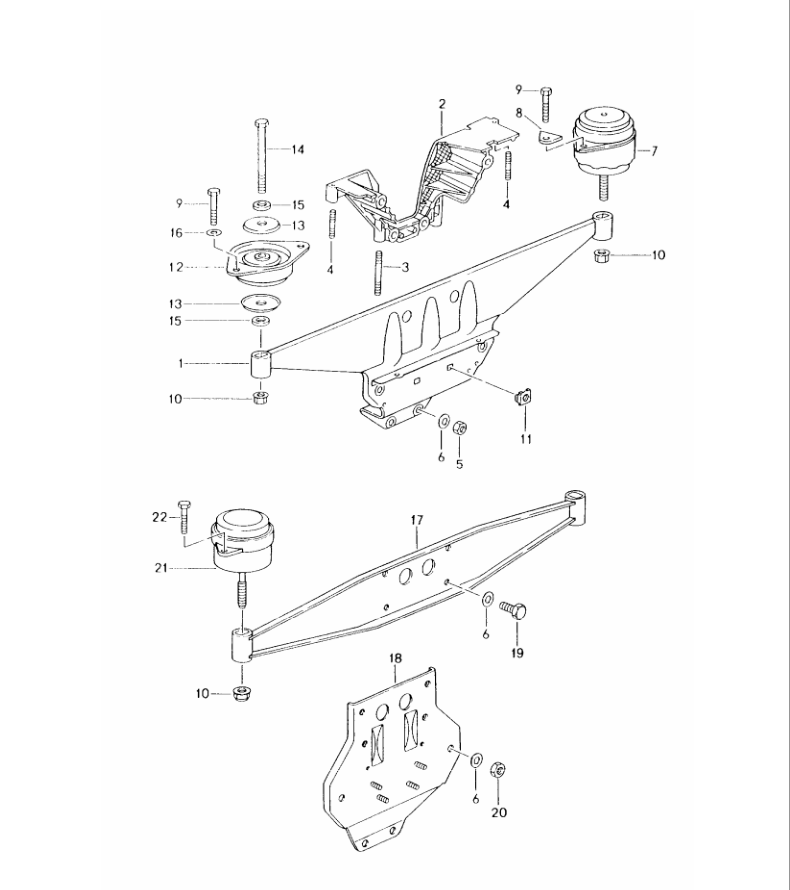
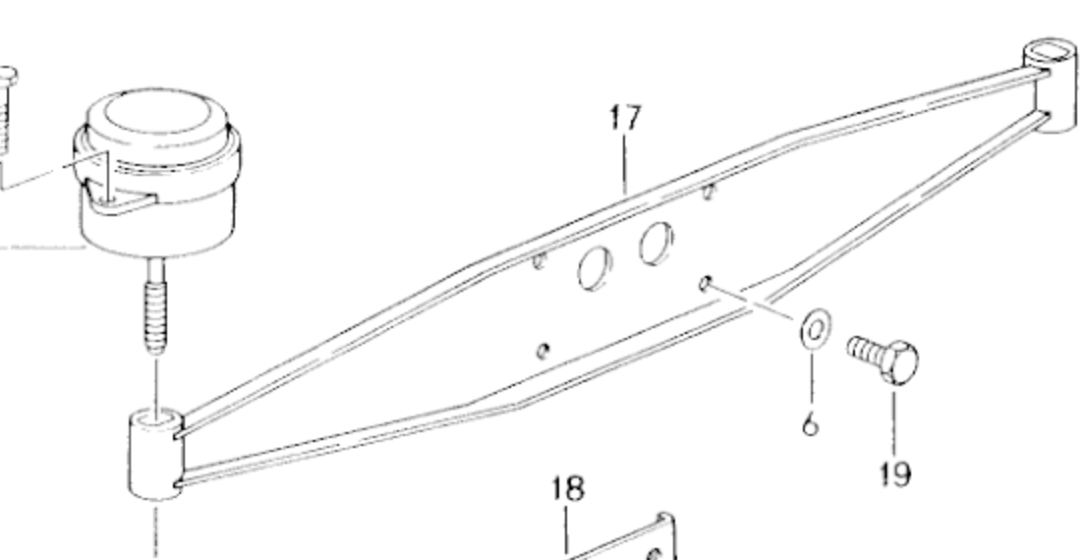
The clearest gap in the whole catalog, and it lands squarely on this build. The 993 Turbo's engine carrier is a structural part and nobody makes an alternative to it. Rennline's tubular carrier is explicitly non-Turbo — it is linked to a different factory reference and that exclusion is deliberate, not an oversight. Stuttgart Classica's 753 g grade 5 titanium support is the RSR pattern, not a proven substitute for the Turbo carrier, so this catalog does not claim it as one. For a twin-turbo 4.0 the honest answer today is the factory part.
Tubular Engine Carrier, 911 (964 / 993 non-Turbo) · RennlineUS$649 as of 2026-08-17
1 alternative
- Titanium RSR Engine Support · Stuttgart Classica · £395
Factory reference: 993 115 021 53 Engine carrier
Both alternatives listed are near misses, not replacements. Verify interface before fitting either.
Engine and transmission mounts
In the catalogSemi-solid or solid
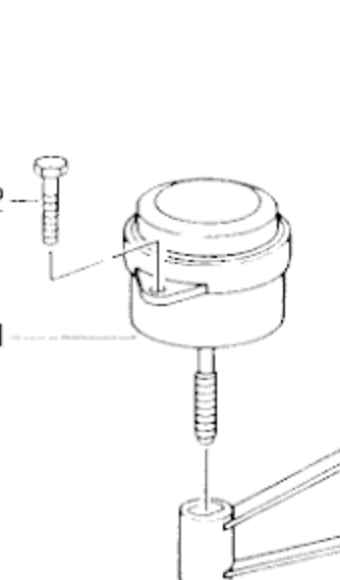
Semi-solid is the road answer and solid is the track answer, and the gap between them is measured in how much of the engine you want to feel through the seat. Tunable mounts exist precisely because that line is personal.
Semi-Solid Engine and Transmission Mounts, 911 (993) · WEVO
5 alternatives
- Tunable Semi-Solid Engine Mounts, 911 (964 / 993) · Rennline
- Semi-Solid Engine Mount Upgrade V2, 911 · Function-First
- Euro RS Engine Mount Set, 911 (964 / 993) · Patrick Motorsports
- Solid Engine Mounts, 911 (964 / 993 / 996 / 997) · Rennline
- Solid / Sport / RSR Transmission Mount For Porsche 964 / 993 Turbo (TRA 993 375 055 70 PMS) · Patrick Motorsports · US$235
Factory reference: 993 375 049 05 Engine mounting
Flywheel and clutch
In the catalogLightweight or midweight, Turbo torque capacity
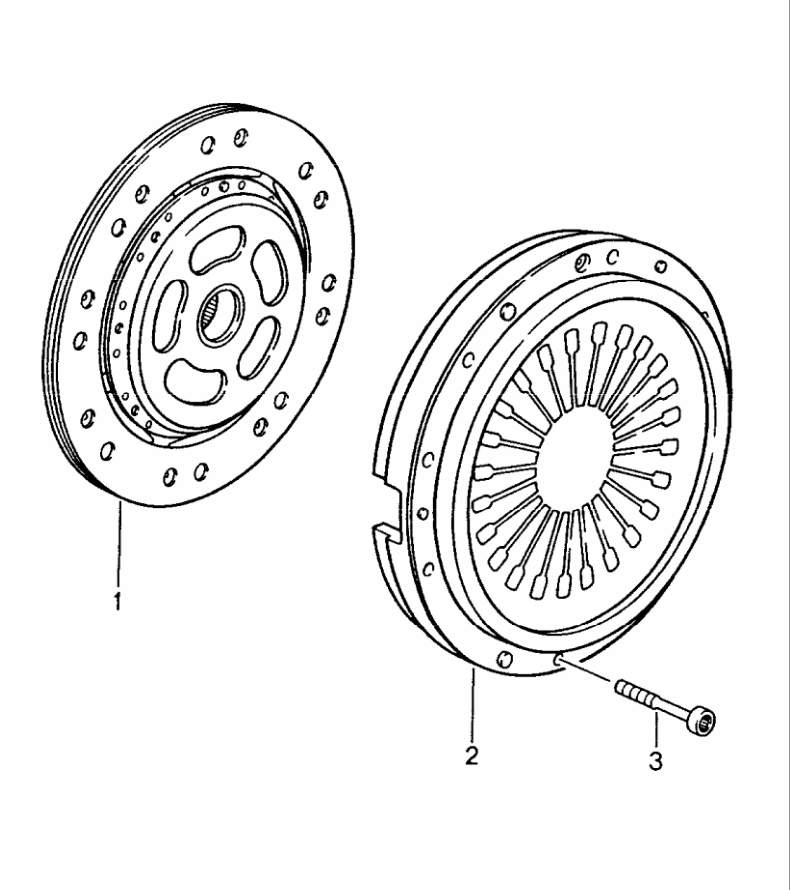

Midweight rather than lightest-possible is the considered choice on a torque-rich turbo engine — a very light flywheel makes a boosted engine harder to drive smoothly, not easier. The catalogued Turbo package is made by Aasco.
Midweight Flywheel and Sport Clutch Kit, 911 Turbo (964 / 993 / 996T / 997T) · Aasco MotorsportsUS$3,879 as of 2026-08-17
2 alternatives
Limited slip
In the catalogTorque biasing or clutch type
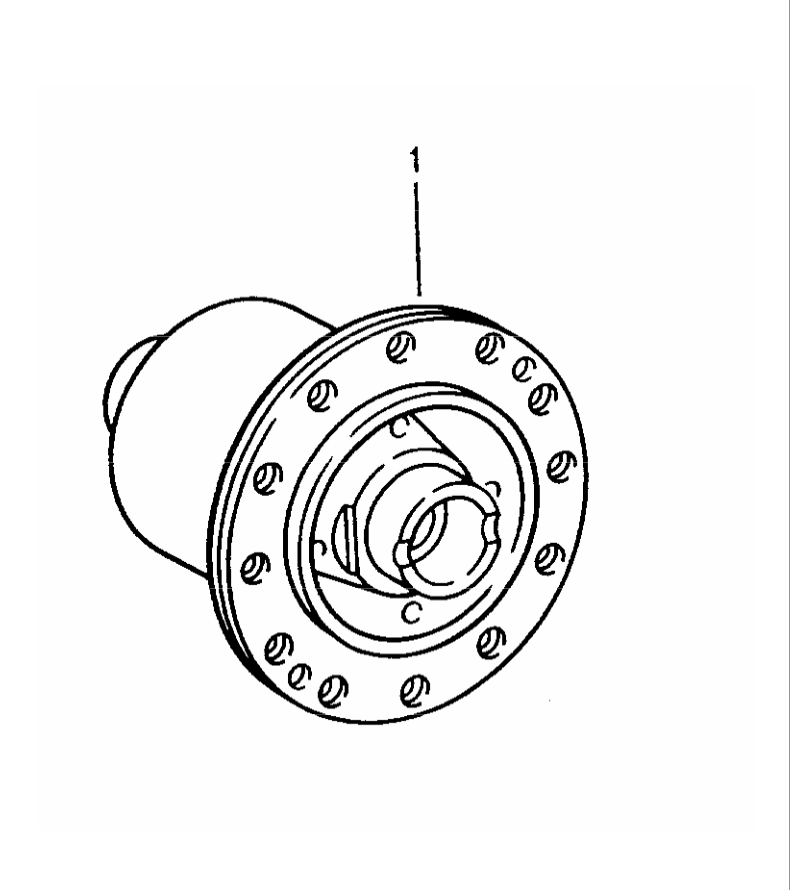
A 4.0 biturbo will find the limit of the standard differential quickly. On the Turbo's four-wheel drive the front axle behaviour is part of the same decision.
Torque-Biasing Limited Slip Differential, G50 Six-Speed (993) · Wavetrac (Autotech Driveline)
1 alternative
- CLUB Limited Slip Differential, GT2 / GT3 / GT3 RS / 964 (996 / 997) · Guard Transmission
What stays factory
A specification is as much about what it refuses to change. These are load paths and fatigue-critical parts where a material substitution is an engineering programme, not a weight saving.
Steel, without exception
Stays factoryCrankshaft, camshafts, drive gears, valve springs, head studs, rod bolts
Every one of these is either fatigue-loaded for the life of the engine or carries a clamping load that depends on the material's stiffness. Titanium's lower modulus is a virtue in a connecting rod and a liability in a head stud. Substituting here is the most common way an otherwise well-specified engine fails.
Titanium fasteners, with judgement
In the catalogPeripheral brackets, covers, exhaust hardware
Titanium hardware belongs where the fastener locates a part rather than clamping a structural joint. Case through-bolts sit on the wrong side of that line, which is why the catalogued range is held at low confidence until each kit has been read individually.
Titanium Engine Fastener Range · Stuttgart Classica
Catalogue-level entry, not yet verified kit by kit.
How to read this
Photographs are the manufacturers' own, credited and linked back to the listing they came from. The line drawings are factory catalogue illustrations, cut from the group that covers each position — the crankshaft drawing is the crankshaft group, not a picture of something similar. Only the drawing panel is reproduced; the parts tables beside them are not, because publishing those would be copying the catalogue rather than illustrating a part. Two positions also carry a tighter crop of a single reference read individually in the catalogue.
Every part named here links to its catalog entry, where the evidence behind it is recorded — who published a weight, when a price was read, whether fitment was confirmed in the factory catalogue or inferred from a listing. Several entries in this build are held at low confidence on purpose, and they say so on their own pages.
Nothing on this page is a recommendation to buy. It is a specification: a defensible set of choices with the reasoning attached, including the reasoning for leaving things alone. Browse everything catalogued for the 993 →