Build specification · 911 Turbo (997.2)
The ideal 997.2 Turbo engine
The first 911 Turbo without a Mezger engine, specified with the six-speed manual — which removes the ceiling everyone complains about and moves it somewhere else.

In 2010 the 911 Turbo stopped using the Mezger engine. The 997.1 Turbo's 3.6 descended from the GT1 race unit; the 997.2's 3.8 is from the 9A1 family, and Porsche calls it MA1.70 in its own documents. Enthusiasts have never quite forgiven it, which obscures what it actually is: 3,800 cc, 102 mm × 77.5 mm, 9.8:1, direct injection, variable-turbine-geometry turbochargers, 500 PS at 6,000 rpm and 700 Nm on overboost.
That makes this the opposite of the 993 specification. There, almost everything had to be replaced to reach a modern standard. Here the factory already forged the crankshaft, the rods and the pistons, already fitted variable-geometry turbochargers, and already ran direct injection. The build is not a rebuild. It is a question of which factory decision runs out first.
This specification takes the six-speed manual, the G9755 in the factory catalogue, rather than the PDK. That is not nostalgia. The PDK is the component tuners name when they explain why they stop at around 650 horsepower, and nothing in this catalogue rebuilds one. Choosing the manual removes that ceiling and replaces it with a clutch, which is a serviceable wear item anyone can uprate. It costs some acceleration on paper and most of the aftermarket's attention, because the aftermarket followed the PDK.
- Specified positions
- 28
- Filled from the catalog
- 15
- Nothing catalogued
- 1
- Positions to buy
- 16
What this build costs — as far as anyone can say
Adding up the first-named part in every position, where a dated price exists:
- US$28,046 across USD sellers
That is not the price of the engine. 2 of the 16 positions carry no published price — injection, limited slip differential — and none of it counts labour, machining or time on a dyno, which on an engine like this is not a rounding error. Where more than one currency appears they are printed apart, because converting prices read on different dates from different sellers would manufacture a precision the data does not have.
No estimate is offered for the missing figures. An engine budget assembled from guesses reads exactly like one assembled from quotes, which is the problem.
What does it make, and is this a stage 4?
No figure is claimed for this combination, because nobody has run this exact combination on a dyno and publishing an estimate here would read exactly like a measurement.
What can be said is where other people stopped. The car leaves the factory with 500 PS. Tuners report around 620 crank horsepower from a calibration and an exhaust alone — no turbochargers, no fuelling changes. With intercoolers, turbine-inlet manifolds and methanol injection, one specialist reported 672 wheel horsepower on standard variable-geometry turbochargers, and said it was the tenth car they had taken to about that figure. Those numbers are tuner-reported rather than manufacturer-published, and they are recorded on that basis.
The interesting part is what the manual gearbox does to the list of limits. On a PDK car three constraints land within a few percent of each other: the rods are reported to deform around 650 wheel horsepower, the PDK to slip and fail around 650, and the standard turbochargers and intercoolers to run out past about 620 at the crank. Take the PDK out and one of those three disappears, and the one that replaces it — the clutch — is a part you can buy in two versions off this page. What is left as the hard limit is the connecting rods, which is why they are the only position in the foundation section that gets replaced.
On "stage" numbering: it is a marketing convention, not a standard. One shop's stage 3 is another's stage 4, and the same badge covers wildly different hardware. This catalogue records what a part is, what it costs and what it is claimed to do, and leaves the numbering to whoever is selling.
Where the catalog runs out
- Limited slip differential — Clutch or torque-biasing, manual gearbox
These are not oversights in the specification. They are positions where the part has to be made, or where the factory part is still the only one that fits.
What the factory already settled
The 9A1 redesign forged the entire rotating assembly on every model. Most of what a 993 build spends its money on is already done here, which changes what is worth touching.
Crankcase
Stays factoryFactory MA1.70 case
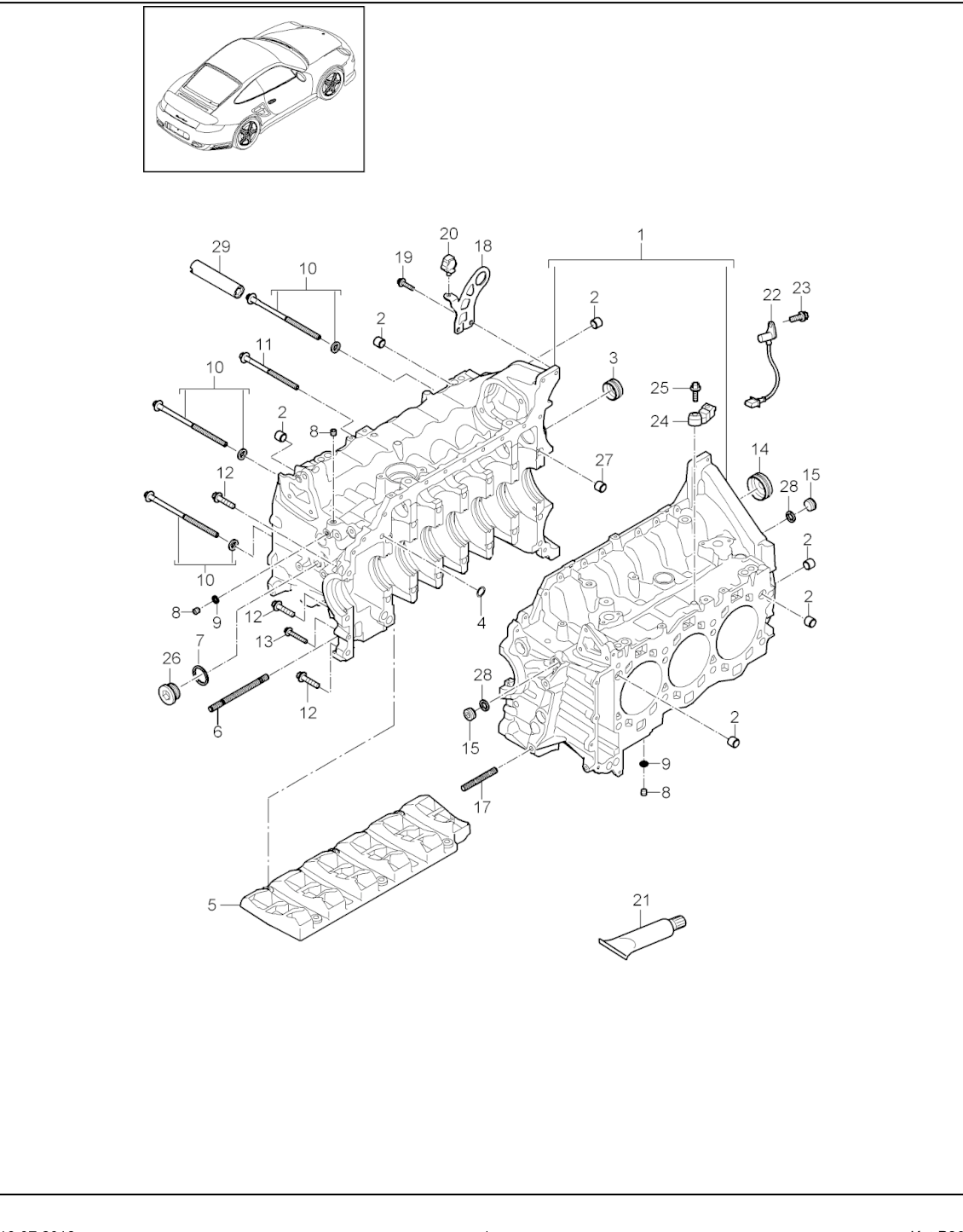
Unlike the 993, this is not a part anyone is hunting for on a salvage market. It is a closed-deck water-cooled case in current production terms, and nothing in this build asks anything of it that the factory did not.
Crankshaft
Stays factory77.5 mm stroke, forged from the factory
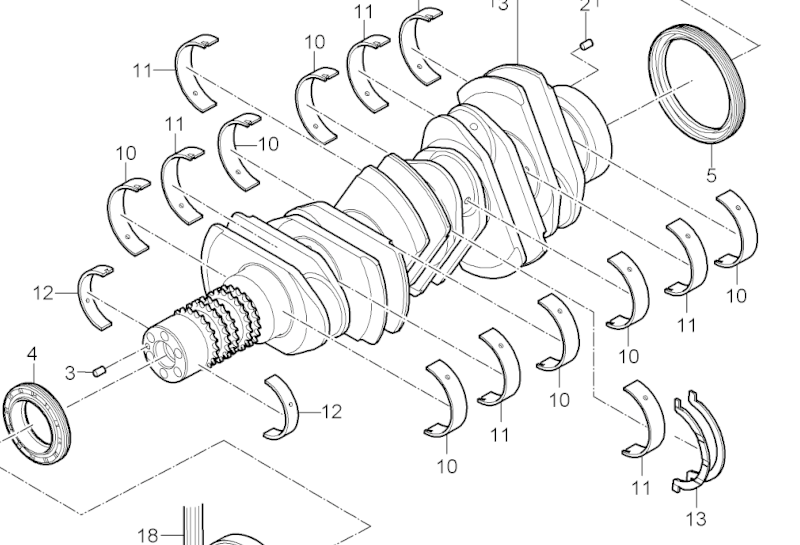
Forged as standard. The 993 specification spends £6,000 to get a forged crank into the engine; here it arrived in one. There is no credible reason to replace it below the power at which the rest of the car has already given up.
Connecting rods
In the catalogForged steel, larger bolt
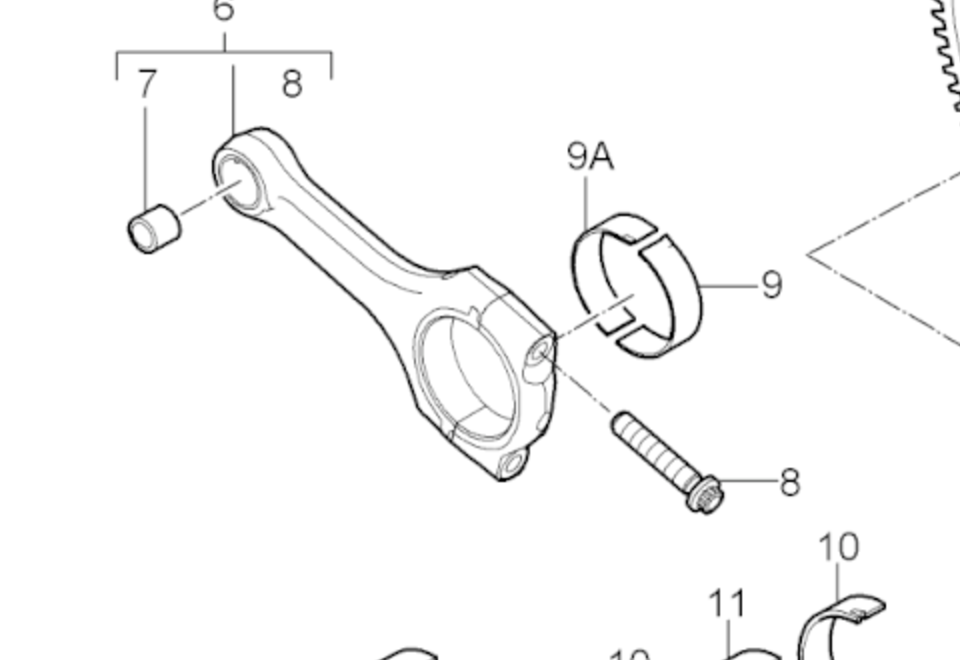

The one place the factory left something on the table. The 997.2 rod is reported in specialist testing as having roughly 11–12% lower tensile strength than the 997.1 item, and the number quoted for the onset of deformation is around 650 wheel horsepower. That figure is community and tuner-reported rather than published by Porsche, and it is recorded here as such — but it lands suspiciously close to where the gearbox gives up too, which is the more useful observation.
Pro-H Connecting Rods, 3/8 in Bolt, 911 Turbo (997.2) · CP-CarrilloUS$2,000 as of 2026-08-18
1 alternative
- Titanium Connecting Rods · Pankl Racing Systems
The 650 wheel horsepower figure is tuner-reported, not a manufacturer specification.
Pistons
Stays factory102 mm bore, forged from the factory
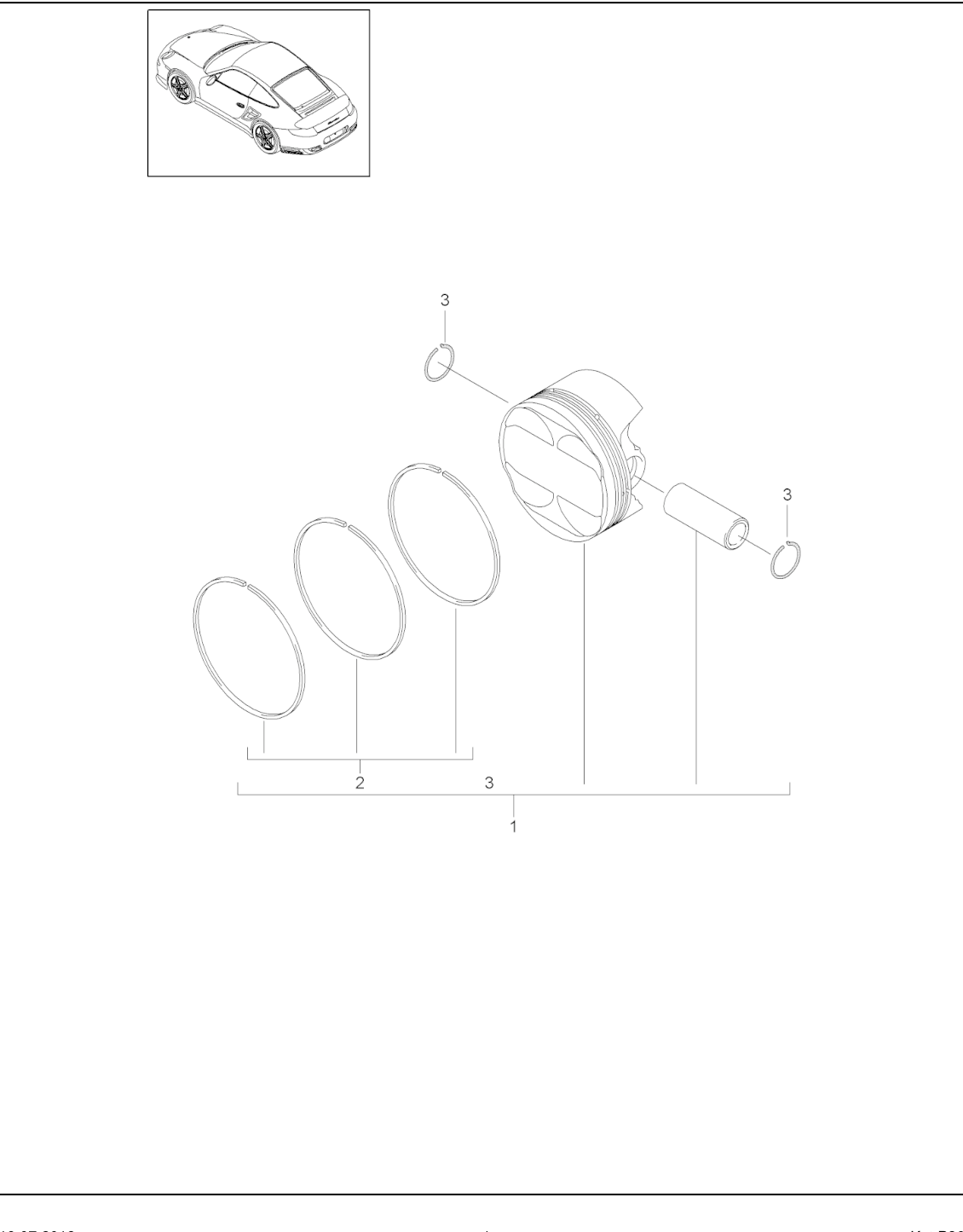
Also forged as standard. Worth knowing that the 9A1 family can suffer bore scoring, and the mechanism most consistently blamed is lubrication rather than the piston itself — oil film breaking down between ring and bore. That makes it an oil and cooling problem, which is where this specification puts the attention instead.
Cylinder heads
Stays factoryFactory four-valve, direct injection
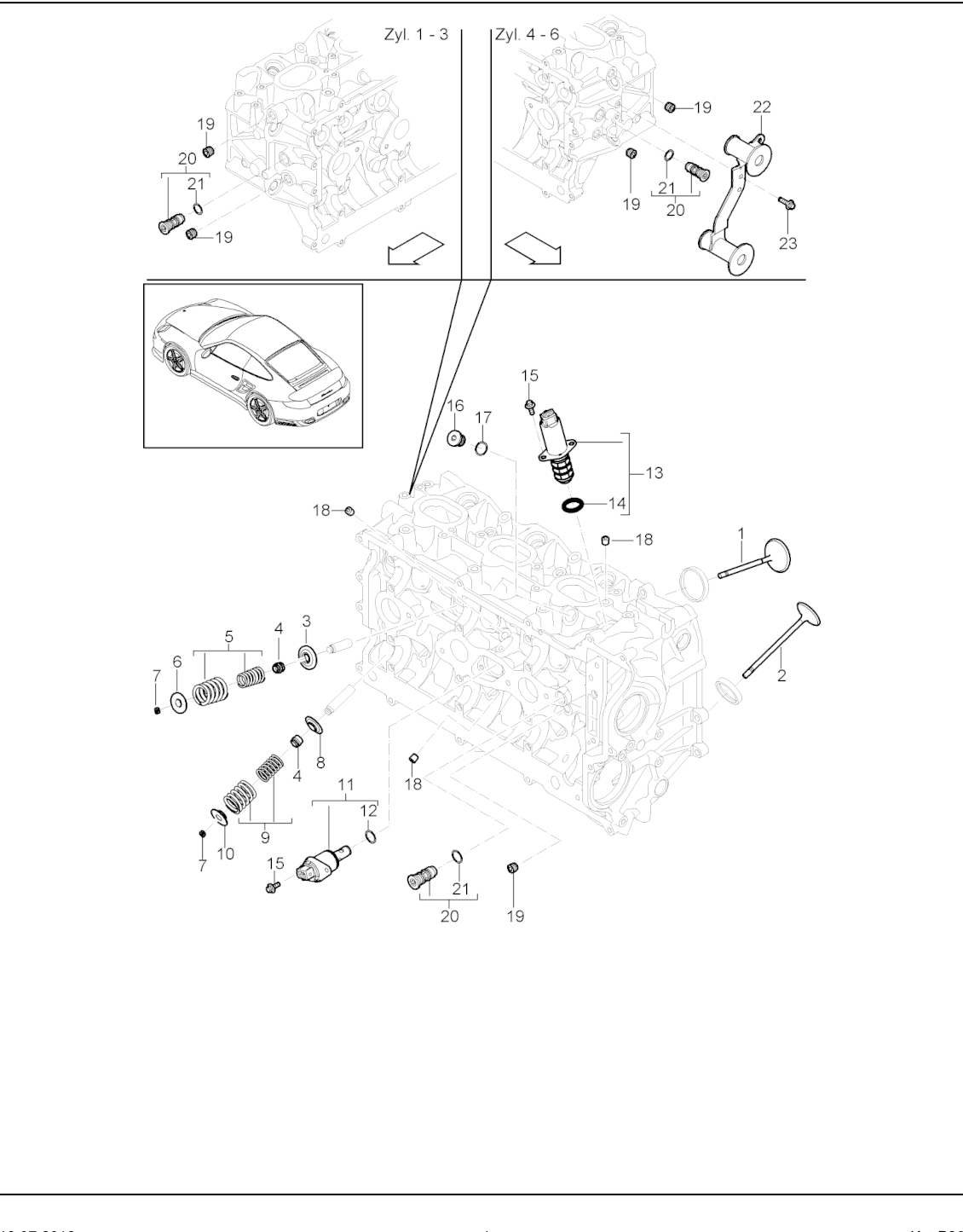
Four valves per cylinder came as standard sixty years after the 993 build has to buy them. Direct injection let Porsche raise compression to 9.8:1 and run less peak boost for more power — the head and the fuelling are one decision, not two.
Camshafts and valve control
Stays factoryFactory profile, VarioCam
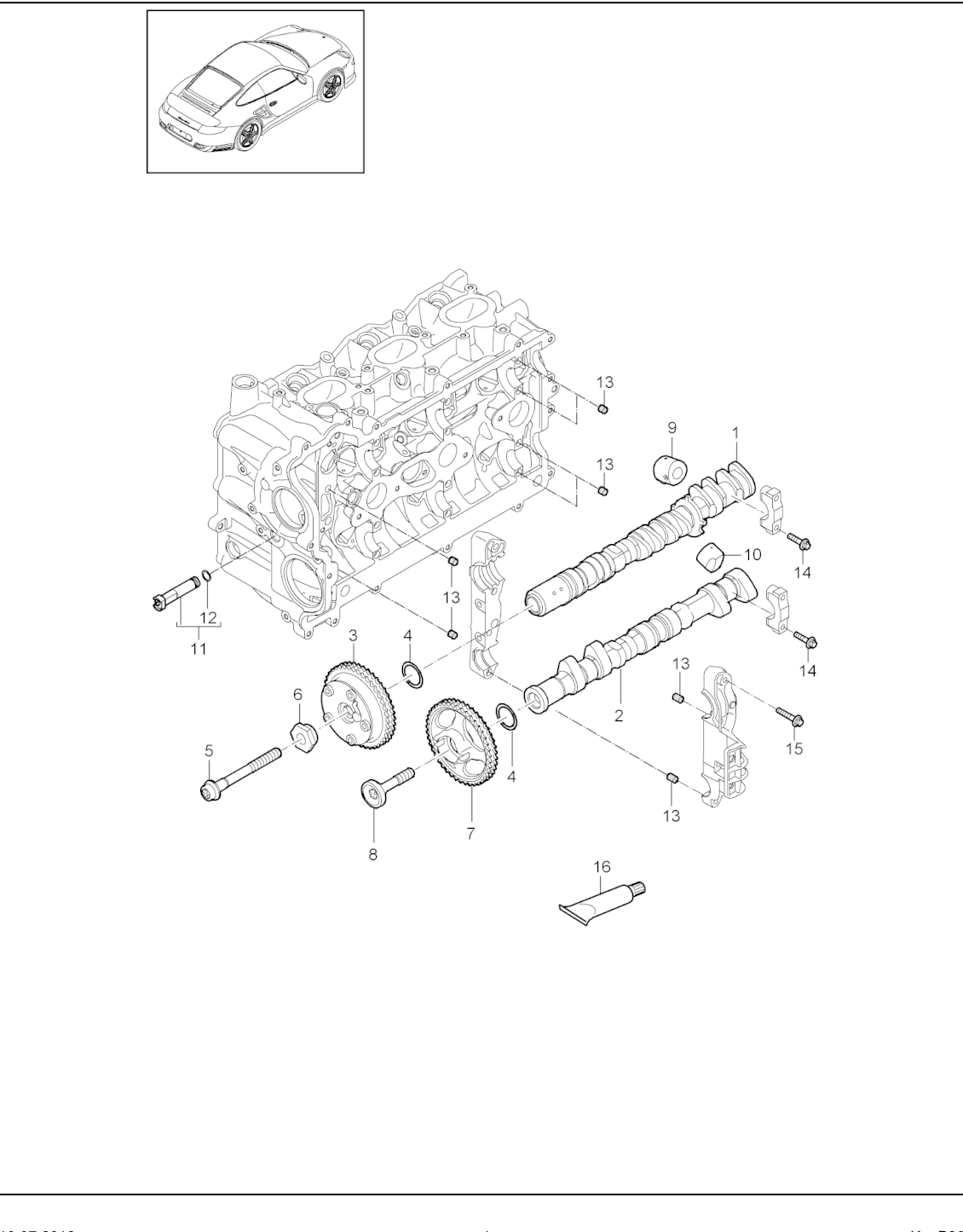
Nothing in the catalogue offers a camshaft for this engine, and on a turbocharged engine making its power through boost and fuelling the cams are rarely the constraint.
Boost
Variable turbine geometry on a petrol engine was Porsche's alone when this car launched. It is also the part of the engine with the most usable headroom.
Turbochargers
In the catalogVTG, larger compressor
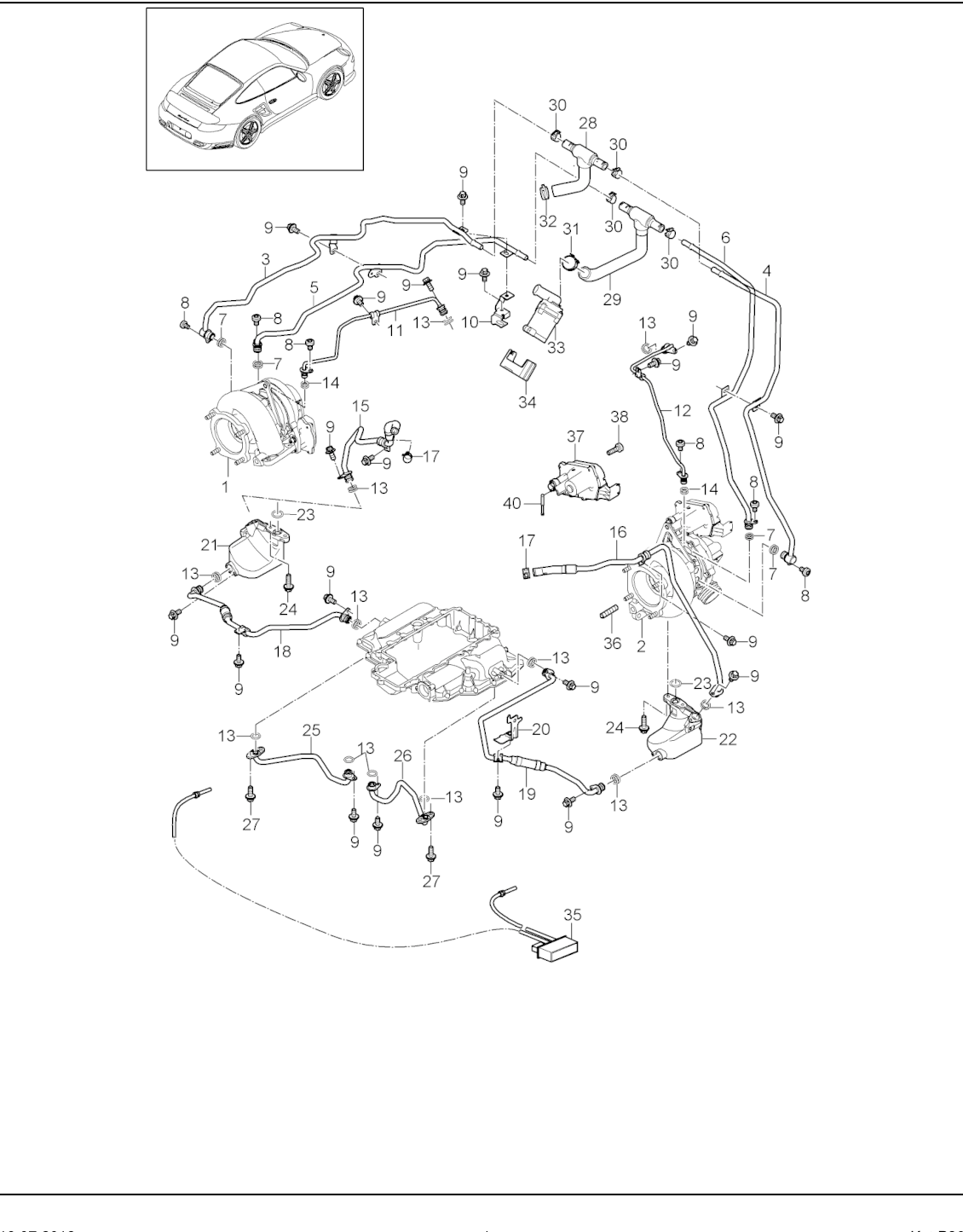
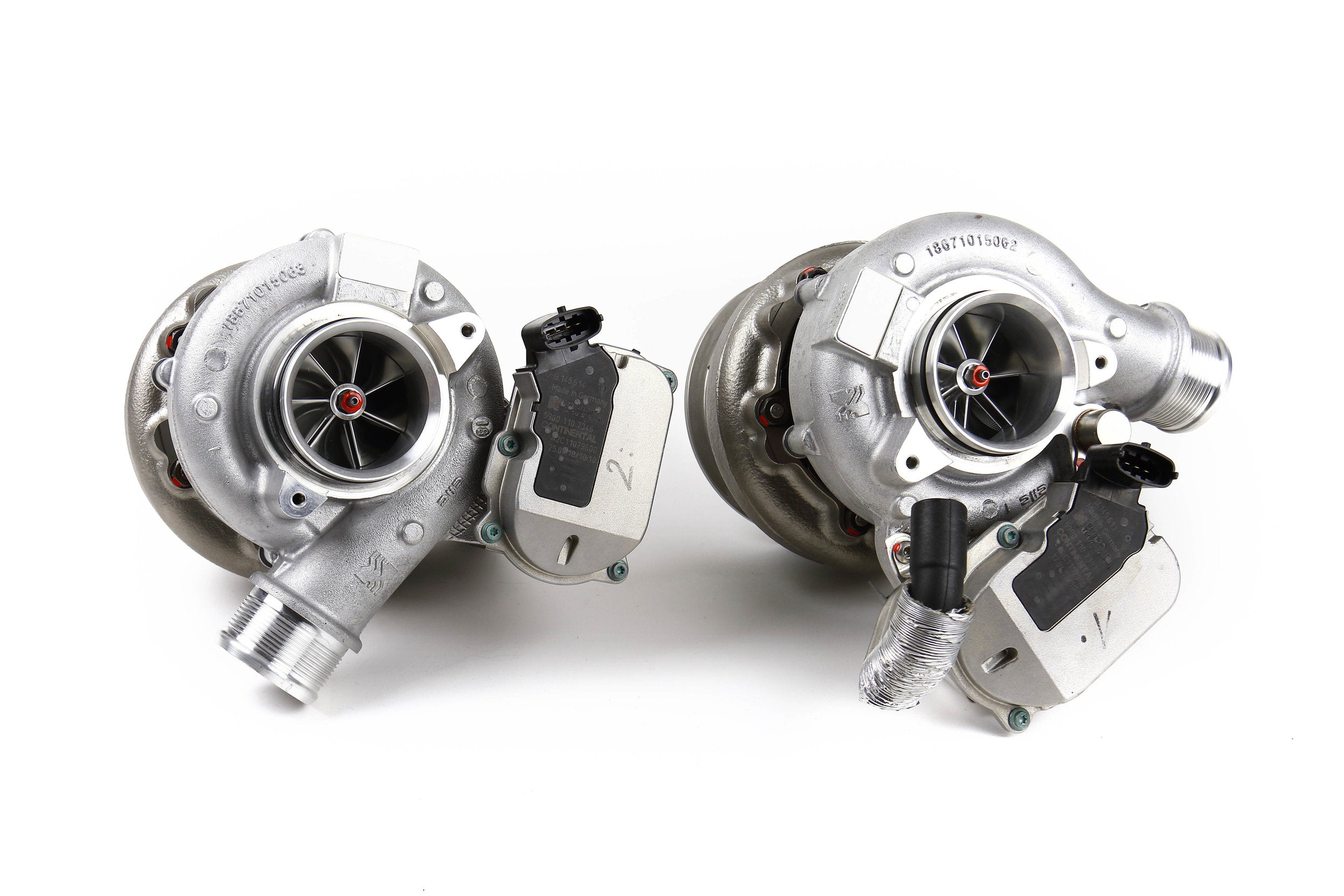
Two things are worth separating. The standard VTG units have been run to around 670 wheel horsepower by tuners with cooling, exhaust and methanol support, so a turbo change is not the first move. Upgraded units exist for beyond that, but by then the gearbox and the rods are the argument, not the airflow.
Pure Turbos PURE850 68mm Turbo Upgrade (997.2 Turbo) · Pure TurbosUS$3,495 as of 2026-08-17
Boost plumbing and diverter valves
In the catalogUprated valves and hoses
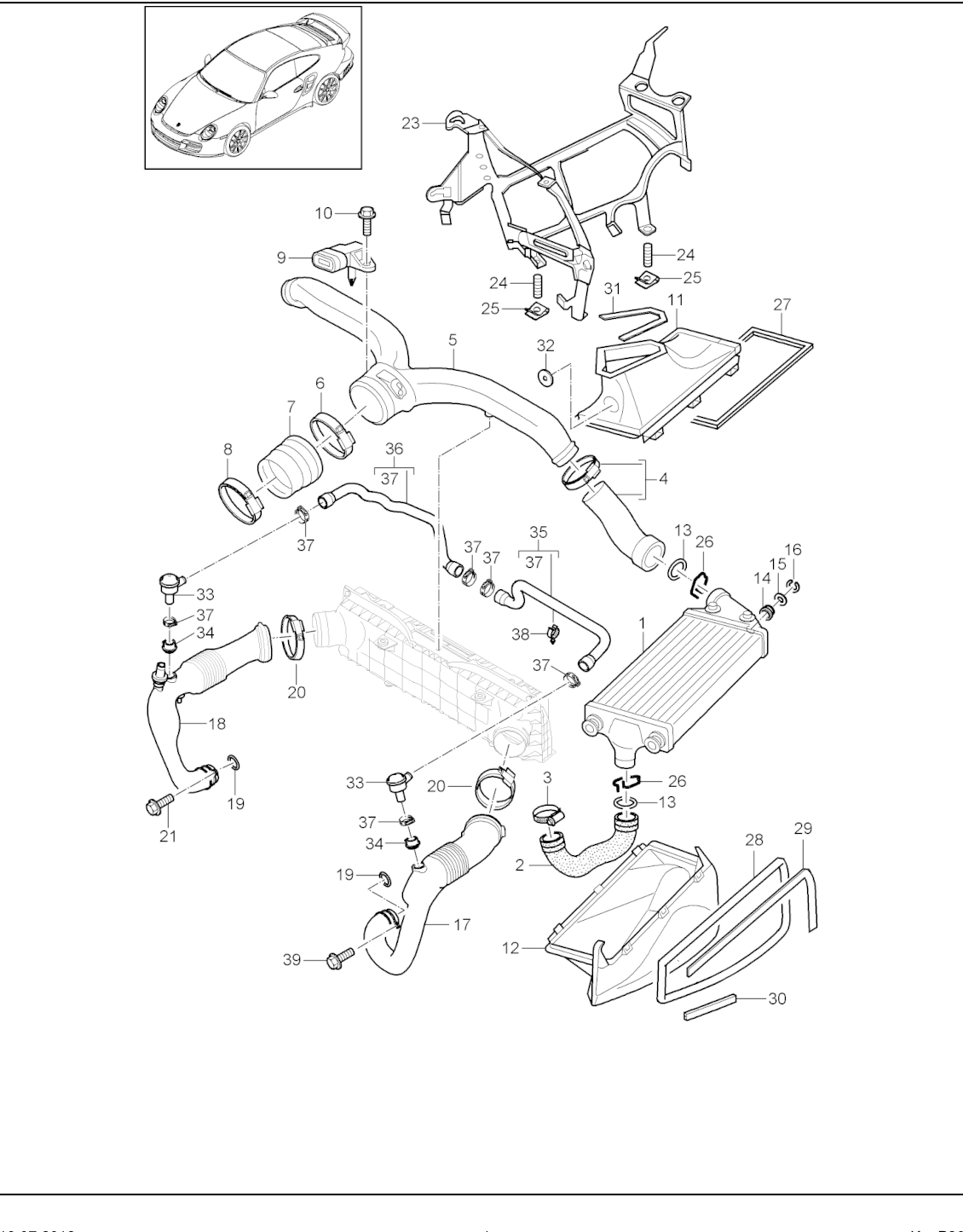
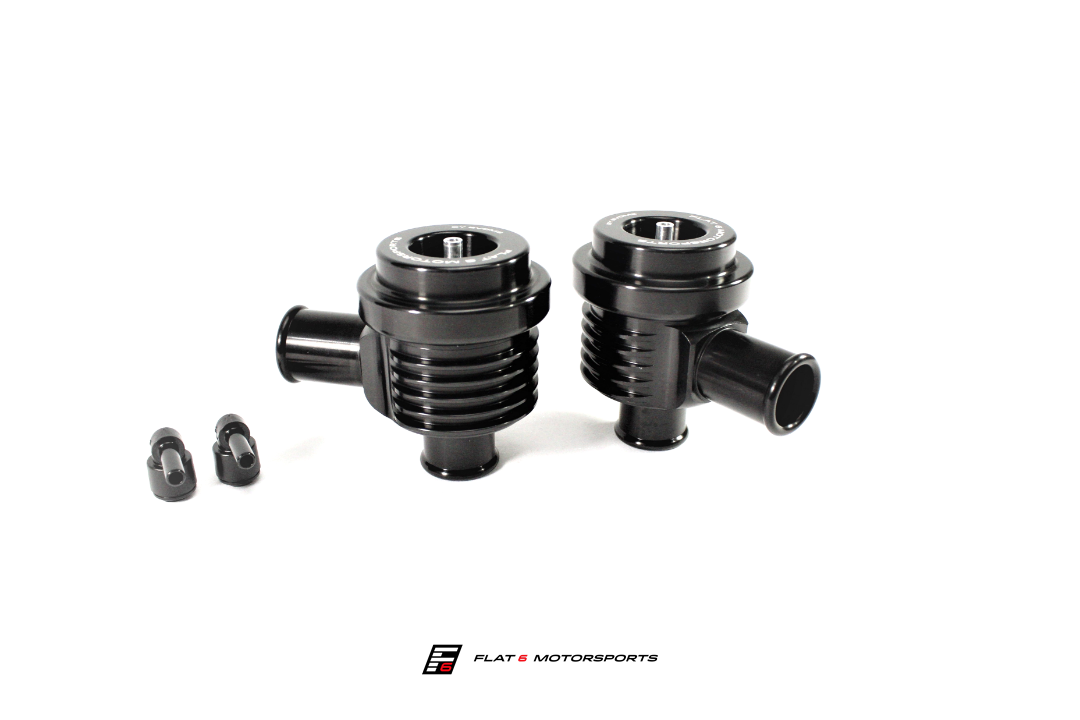
Cheap, and the first thing to fail quietly as boost rises. A diverter valve that leaks under load costs power nobody can see on a dyno chart.
Flat 6 Motorsports by EVOMS - Performance Diverter Valves (997.2 Turbo) · Flat 6 MotorsportsUS$329 as of 2026-08-17
1 alternative
- Top Speed Pro 1 Performance Silicon Boost Hose Kit (997 Turbo) · Top Speed PRO1 · US$299
Charge cooling
In the catalogLarger cores and end tanks

Named by tuners as one of the two limits once past roughly 620 crank horsepower. Note the 997.2 already left the factory with thicker cores than the 997.1, so the gain here is smaller than it is on the earlier car — and both catalogued kits are listed for the 997 Turbo without distinguishing the phase, which is worth confirming before ordering.
Performance Intercoolers, 911 Turbo (997) · AWE TuningUS$1,745 as of 2026-08-18
1 alternative
- Alpha Performance Intercooler System, 911 Turbo (997) · Alpha Performance (AMS) · US$3,999
Both listings say "997 Turbo" without naming a phase.
Fuelling
The quiet ceiling on a direct-injection engine, and the least understood part of tuning one.
Injection
In the catalogPort injection alongside factory direct injection
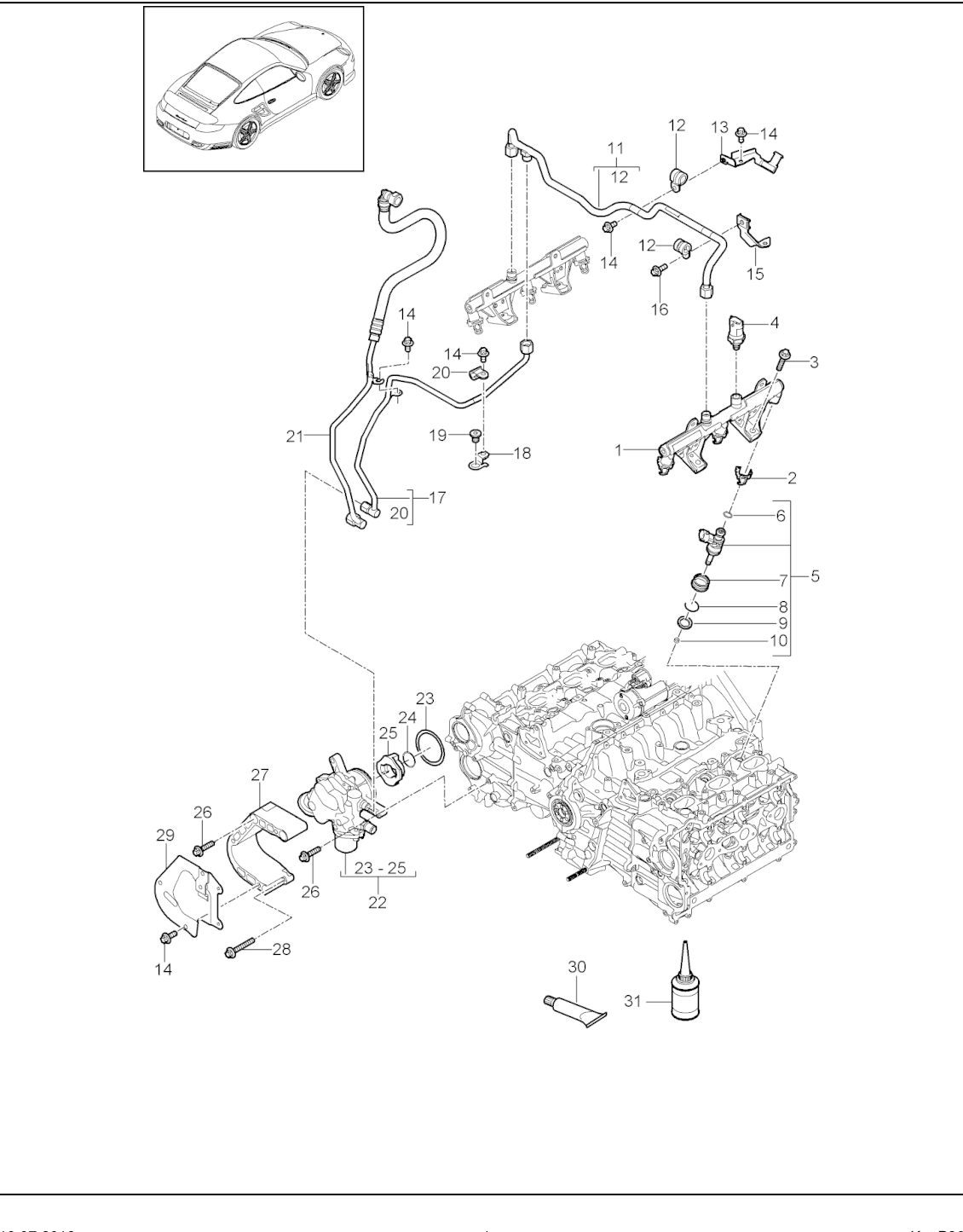
Direct injection has a hard limit: the injector only has the compression stroke to deliver fuel, and no amount of pump pressure buys more time. Adding port injectors gives the engine a second, unhurried delivery path and is what makes serious power and flex fuel possible without abandoning the factory strategy. This is the single most consequential item on this page and it carries no published price.
Port Injection Flex Fuel System, 911 Turbo (997.2) · Silly Rabbit Motorsport
No published price. Quote required.
Water and methanol injection
In the catalogCharge cooling by evaporation

Part of how tuners reach the high numbers on standard turbochargers. It suppresses knock and drops charge temperature, which is exactly what a hot rear-engined car with limited intercooler space needs. It is also a consumable that must never run dry on a tune that depends on it.
Flat 6 Motorsports - Water Methanol Injection Kit (997 Turbo) · Flat 6 MotorsportsUS$2,495 as of 2026-08-17
Induction and exhaust
The conventional part of the build, and where most of the catalogue lives.
Intake plenum
In the catalogLarger volume
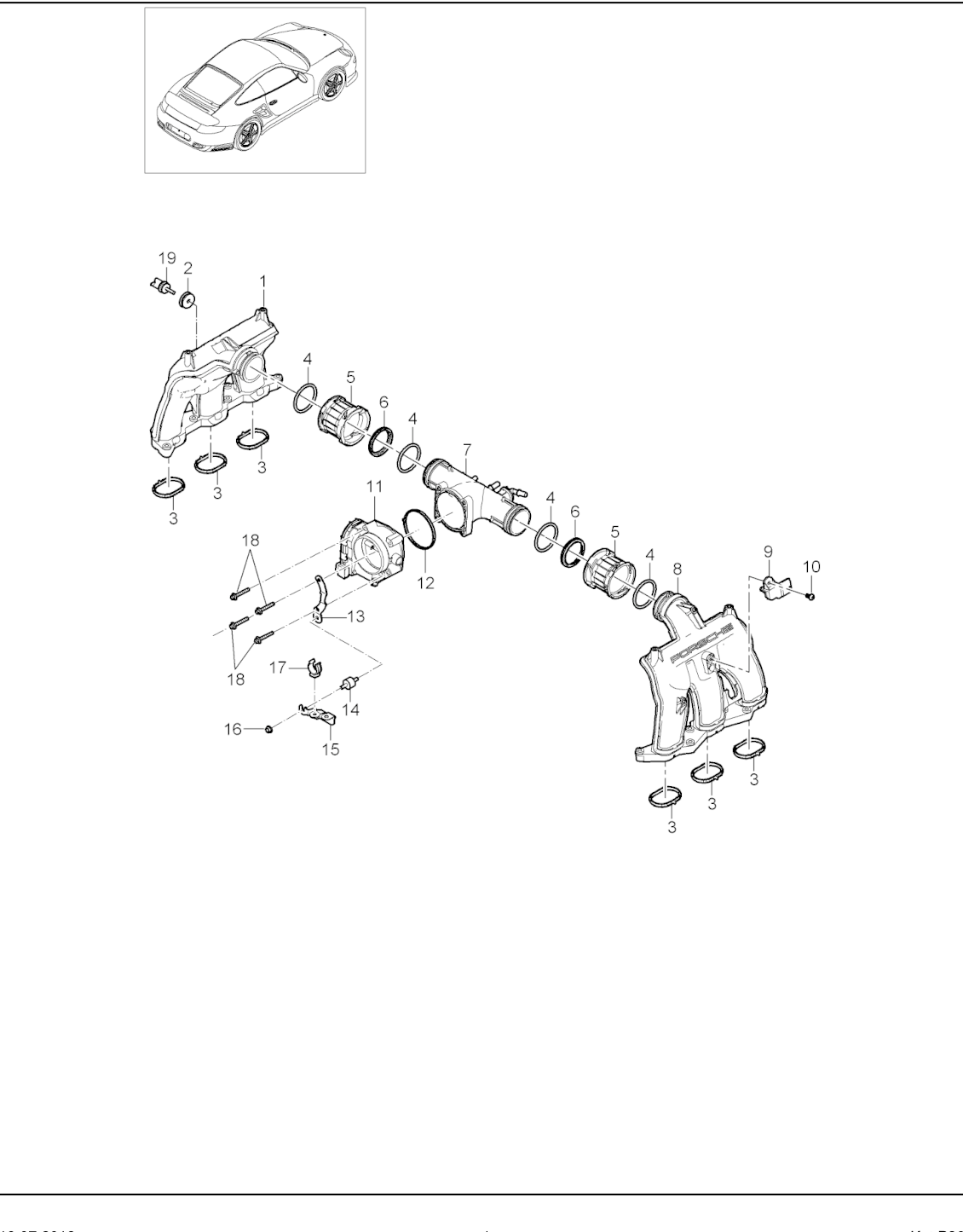

The factory manifold is an expansion-type design chosen for efficiency as much as power. A larger plenum is a modest, well-understood gain.
Competition Intake Plenum, 911 Turbo (997.2) · IPD PlenumsUS$995 as of 2026-08-18
Air filter
In the catalogHigher-flow element
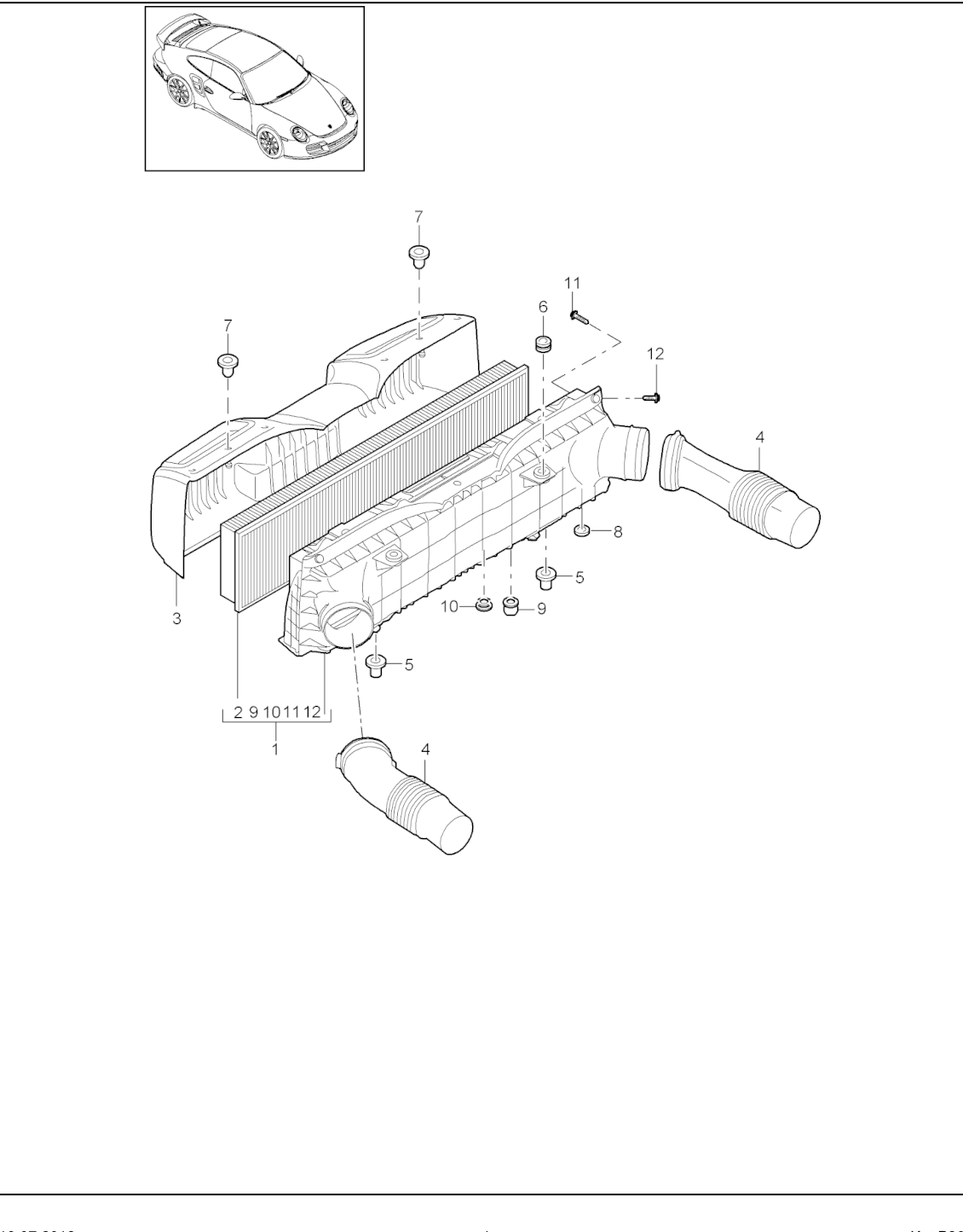

Small money. Worth listing mainly so that nobody counts it as a power modification.
Performance Air Filter, 911 Turbo (997.2) · BMC Air FiltersUS$230 as of 2026-08-18
Turbine inlet manifolds
In the catalogMotorsport manifolds
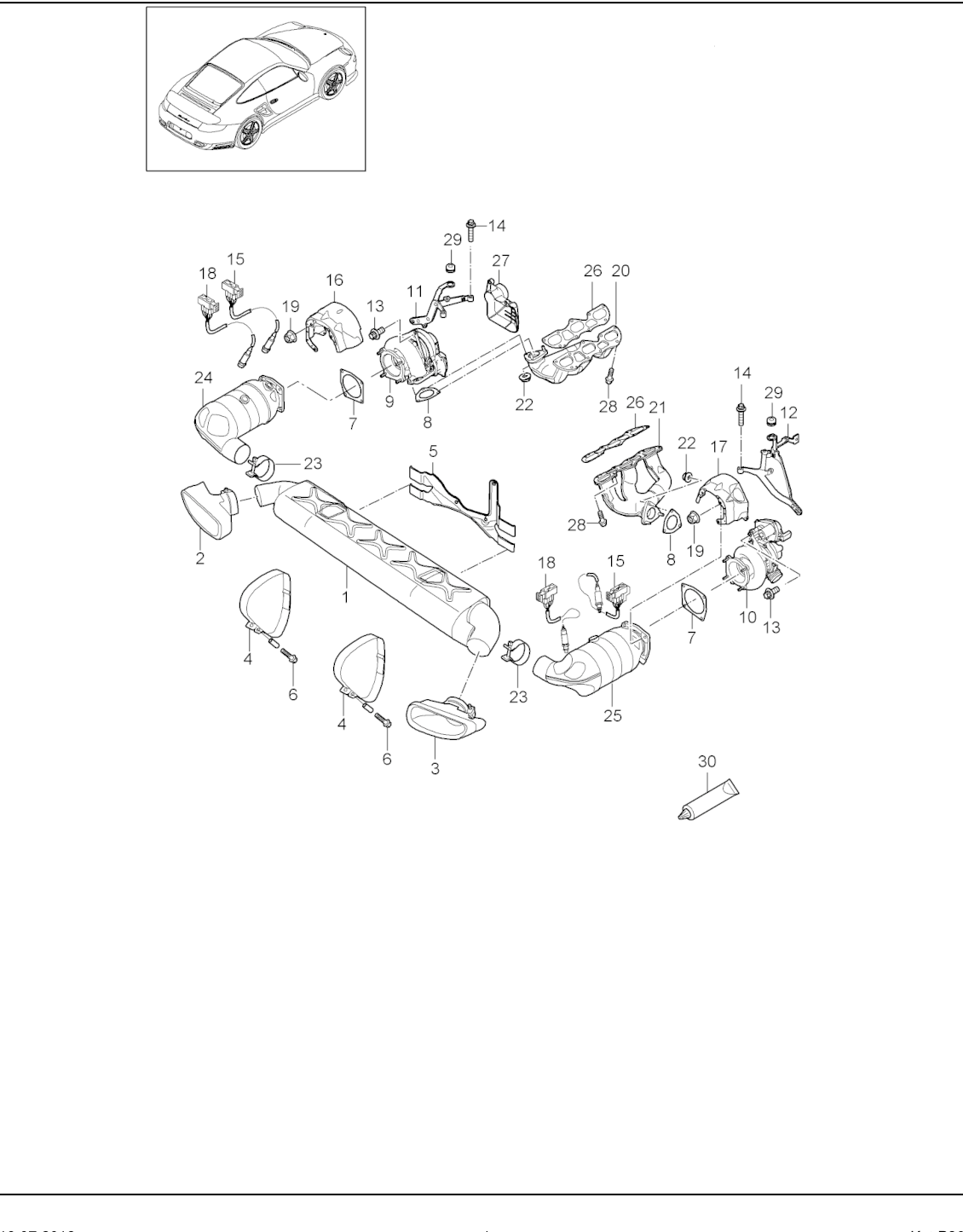

Named alongside intercoolers and methanol in the specialist accounts of standard-turbo cars past 650 wheel horsepower. The alloy is not stated on the listing, and K-Line's range is Inconel 625, so it is left unrecorded rather than assumed.
Turbo Manifolds, 911 Turbo (997.2) · Kline InnovationUS$2,511 as of 2026-08-18
1 alternative
- Exhaust System, 911 Turbo (997.2) · Kline Innovation · US$3,282
Catalysts
In the catalogSport catalysts, not deletes

A sport catalyst and a decat are not the same decision. One is a flow improvement; the other decides whether the car can be driven on a road in most jurisdictions.
HJS Sport Catalytic Converters, 911 Turbo (997.2) · Soul Performance ProductsUS$3,355 as of 2026-08-18
Exhaust system
In the catalogRear section

Five catalogued systems for the same car at four very different prices. On a turbocharged engine the rear section is worth less power than it is on a naturally aspirated one, because the turbine has already taken the energy out of the gas. This is largely a sound and mass decision, and it is honest to say so.
Sport X-Pipe Exhaust System, 911 Turbo (997.2) · Soul Performance ProductsUS$5,515 as of 2026-08-18
3 alternatives
- Valvetronic Exhaust System, 911 Turbo (997.2) · iPE Innotech Performance Exhaust · US$4,800
- Exhaust System, 911 Turbo (997.2) · Tubi Style · US$6,750
- Catback Exhaust System, 911 Turbo (997.2) · Top Speed PRO1 · US$1,000
Management
The cheapest real power on the car, and the reason most of the hardware above is optional.
ECU calibration
In the catalogReflash of the factory ECU

A tune and an exhaust are reported to take this engine to around 620 crank horsepower reliably. That is a 120 PS gain on a standard bottom end, standard turbochargers and standard fuelling, which is the fact that should shape the whole build: everything else on this page is spent buying the next hundred.
Softronic ECU Tuning (997 Turbo) · SoftronicUS$1,495 as of 2026-08-17
Transmission
The PDK is where a 997.2 Turbo build normally stops. This one does not have a PDK, which changes the shape of the whole page — and exposes a gap the PDK cars do not have.
Gearbox
Stays factoryG9755 six-speed manual
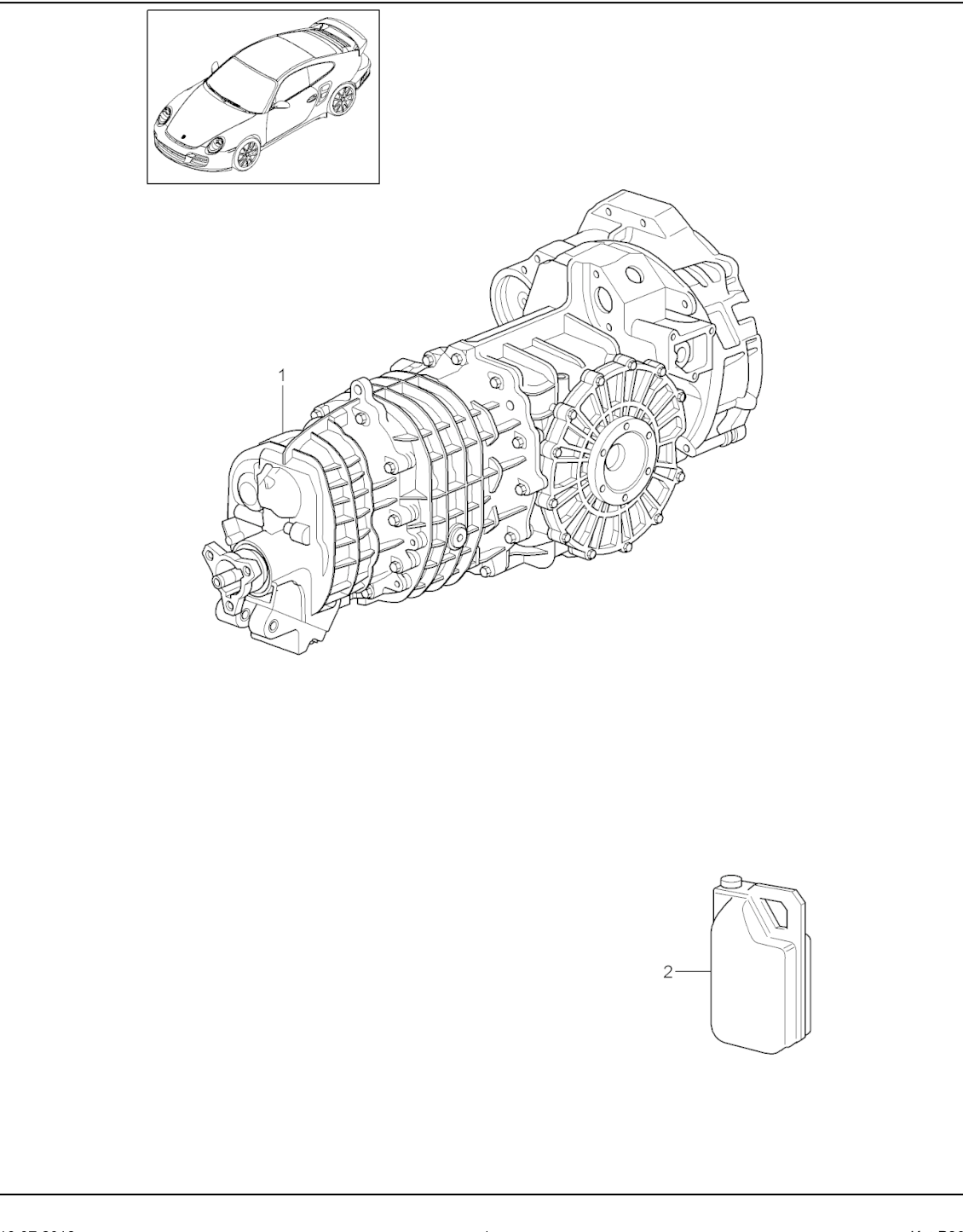
The factory six-speed. It carries no widely reported power ceiling of the kind attached to the PDK, and the load path in front of it — the clutch — is a wear item designed to be replaced. That is the whole argument for the manual on a car being tuned: the failure point becomes something serviceable instead of something nobody rebuilds.
Clutch
In the catalogHigher torque capacity
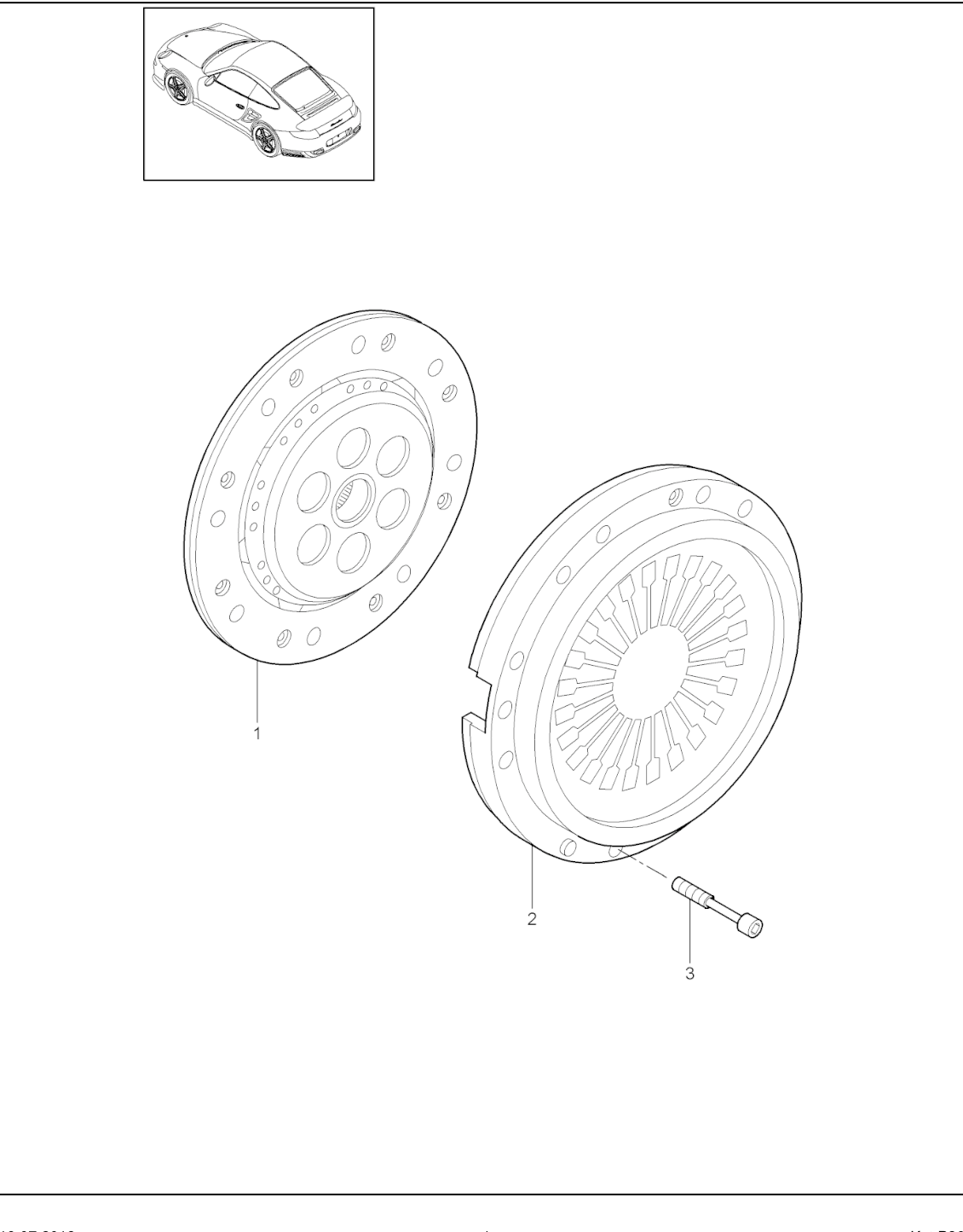

Now the first thing in the driveline to give up, which is exactly where you want it. Two catalogued clutches cover this car, and the slave cylinder is worth listing alongside them because a heavier pressure plate asks more of the hydraulics than the factory part expected.
FX Series Clutch Kit, 911 GT3 and Turbo (997) · Clutch MastersUS$2,062 as of 2026-08-18
2 alternatives
- Clutch Upgrade Kit, 911 Turbo (997) · SPEC Clutch · US$1,340
- Turbo Clutch Slave Cylinder Upgrade Kit, 996 & 997 · Tarett Engineering · US$1,375
Flywheel
In the catalogLightweight, chosen deliberately

Worth a moment of thought rather than a reflex. On a 700 Nm turbocharged engine a very light flywheel makes low-speed driving harder, not easier, because there is less stored inertia to cover the gap before boost. Fit it for the throttle response, not because lighter is automatically better.
Aluminium Lightweight Flywheel, 911 GT3 / Turbo (997) · Clutch MastersUS$1,050 as of 2026-08-18
Shift mechanism
In the catalogShorter throw, fresh cables

A cable-shifted 997 goes vague with age, and the cables are usually more responsible than the mechanism. This is the position that does not exist at all on a PDK car, and the one most likely to change how the car feels for the least money.
Short Throw Shifter V2.0, 911 (997) · Numeric RacingUS$770 as of 2026-08-18
2 alternatives
- Performance Shifter Cables, 911 (997) · Numeric Racing · US$506
- Shift Knob & Extender For Porsche 964/993 · Tarett Engineering · US$158
The catalogue page for illustration group 304-000 is blank in this copy, so no drawing is shown.
Limited slip differential
Nothing cataloguedClutch or torque-biasing, manual gearbox
The clearest gap on this page, and it is a direct consequence of choosing the manual. OS Giken make a Super Lock differential for this car, but it is built for the PDK and this catalogue will not list a PDK part under a manual specification. Guard's CLUB unit covers the 997 GT2 RS and GT3 RS, not the Turbo. The aftermarket followed the PDK because the buyers did, and the manual Turbo is left without a catalogued answer.
Nothing catalogued for the manual Turbo. The OS Giken unit is PDK-specific and is deliberately not listed here.
Engine mounts
Stays factoryFactory, dynamic with Sport Chrono
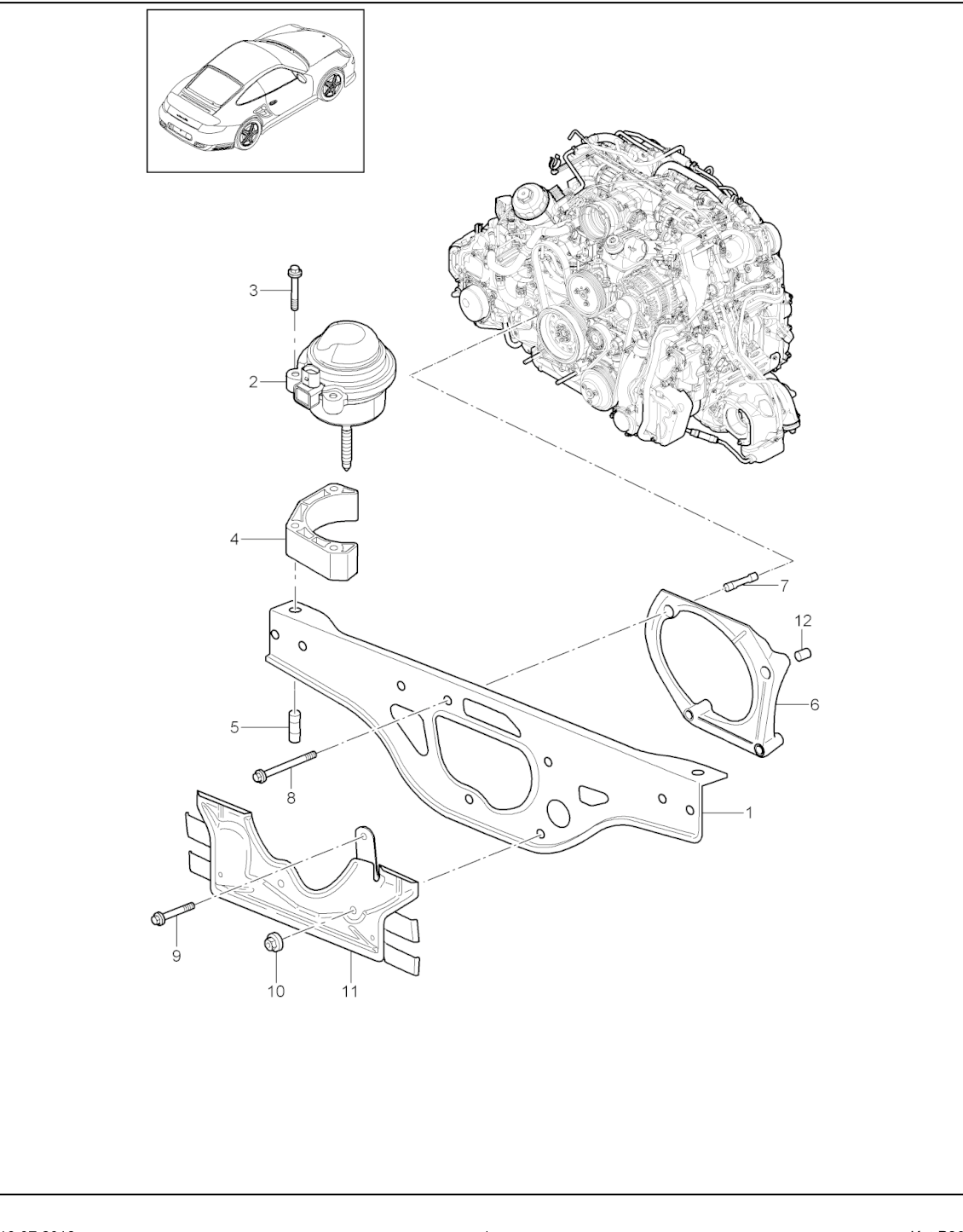
The 997.2 Turbo introduced dynamic engine mounts with the Sport Chrono package — mounts that change stiffness with load. Replacing them with solid items throws away a genuinely clever factory system.
Cooling and lubrication
Water-cooled, so this section is plumbing rather than survival — with one exception that is worth more attention than any power part on this page.
Lubrication
Stays factoryFactory system, maintained
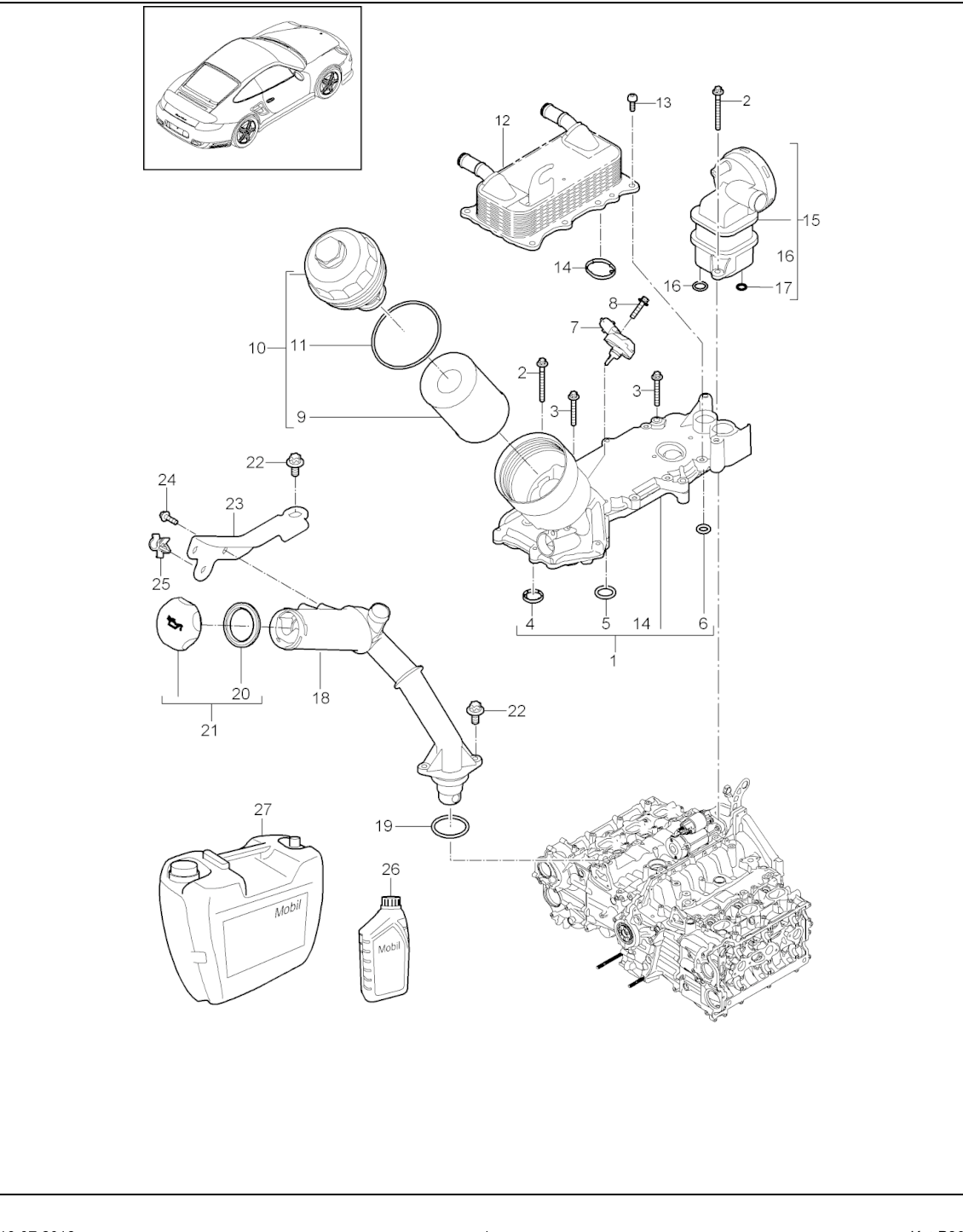
Bore scoring on the 9A1 is most consistently attributed to the oil film failing between ring and bore. That makes oil specification, oil temperature and change interval the highest-value maintenance on the engine, and it is a far better use of attention than another twenty horsepower.
Coolant pump
Stays factoryFactory, with a known early fault
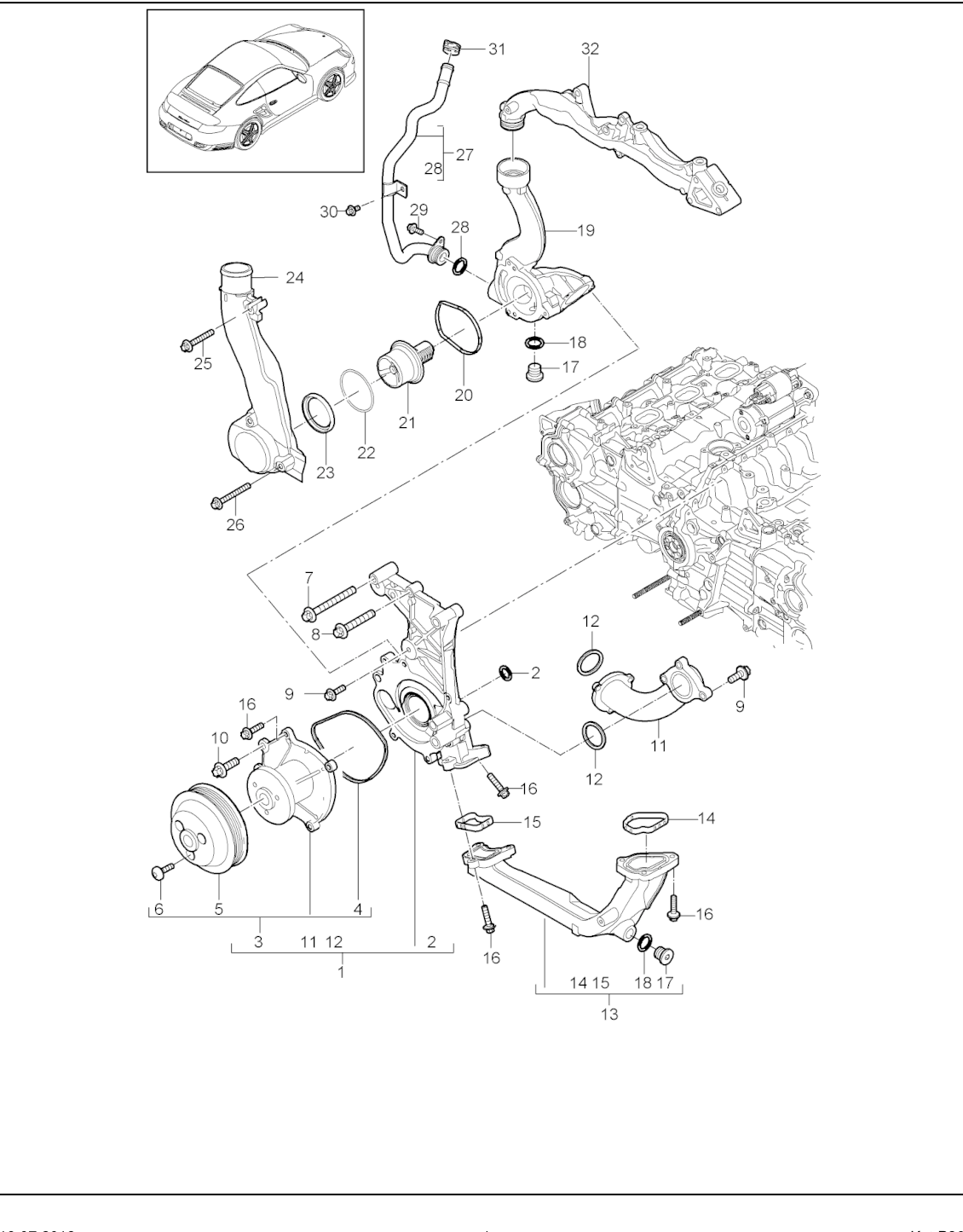
Early MA1 engines are reported to suffer from the water pump inlet tube sealing rings, a leak that is hard to find because it often only opens up when hot. Worth knowing before chasing a coolant loss around the rest of the car.
Radiators
Stays factoryFactory three-radiator layout
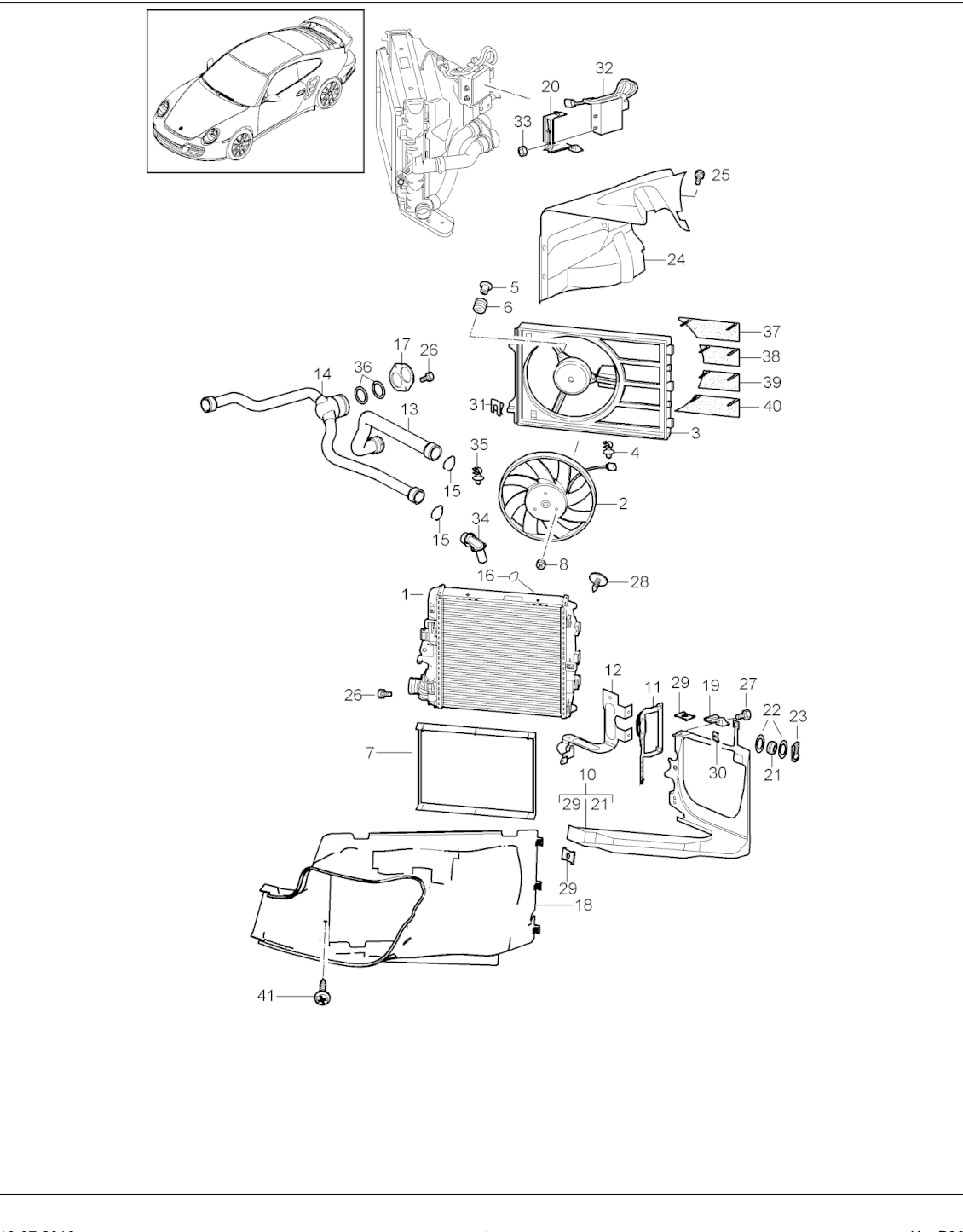
Nothing catalogued, and nothing obviously wanting on a road car. On a track car the coolant and oil temperatures are what end the session, not the power.
What stays factory
Shorter than the 993's list, for the good reason that Porsche had already made most of these decisions correctly.
The forged bottom end
Stays factoryCrankshaft, pistons, block
Forged as standard across the 9A1 range. Replacing a forged factory crankshaft to chase a number the gearbox cannot transmit is the most expensive way to gain nothing.
Direct injection
Stays factorySupplement, do not replace
The correct answer to running out of direct-injection fuelling is to add port injection beside it, not to convert away from it. Direct injection is what allows 9.8:1 compression on a turbocharged engine, and that compression is where the drivability lives.
How to read this
Photographs are the manufacturers' own, credited and linked back to the listing they came from. The line drawings are factory catalogue illustrations, cut from the group that covers each position — the crankshaft drawing is the crankshaft group, not a picture of something similar. Only the drawing panel is reproduced; the parts tables beside them are not, because publishing those would be copying the catalogue rather than illustrating a part. Two positions also carry a tighter crop of a single reference read individually in the catalogue.
Every part named here links to its catalog entry, where the evidence behind it is recorded — who published a weight, when a price was read, whether fitment was confirmed in the factory catalogue or inferred from a listing. Several entries in this build are held at low confidence on purpose, and they say so on their own pages.
Nothing on this page is a recommendation to buy. It is a specification: a defensible set of choices with the reasoning attached, including the reasoning for leaving things alone. Browse everything catalogued for the 911 Turbo (997.2 →